The World of Agave Spirits at a Glance
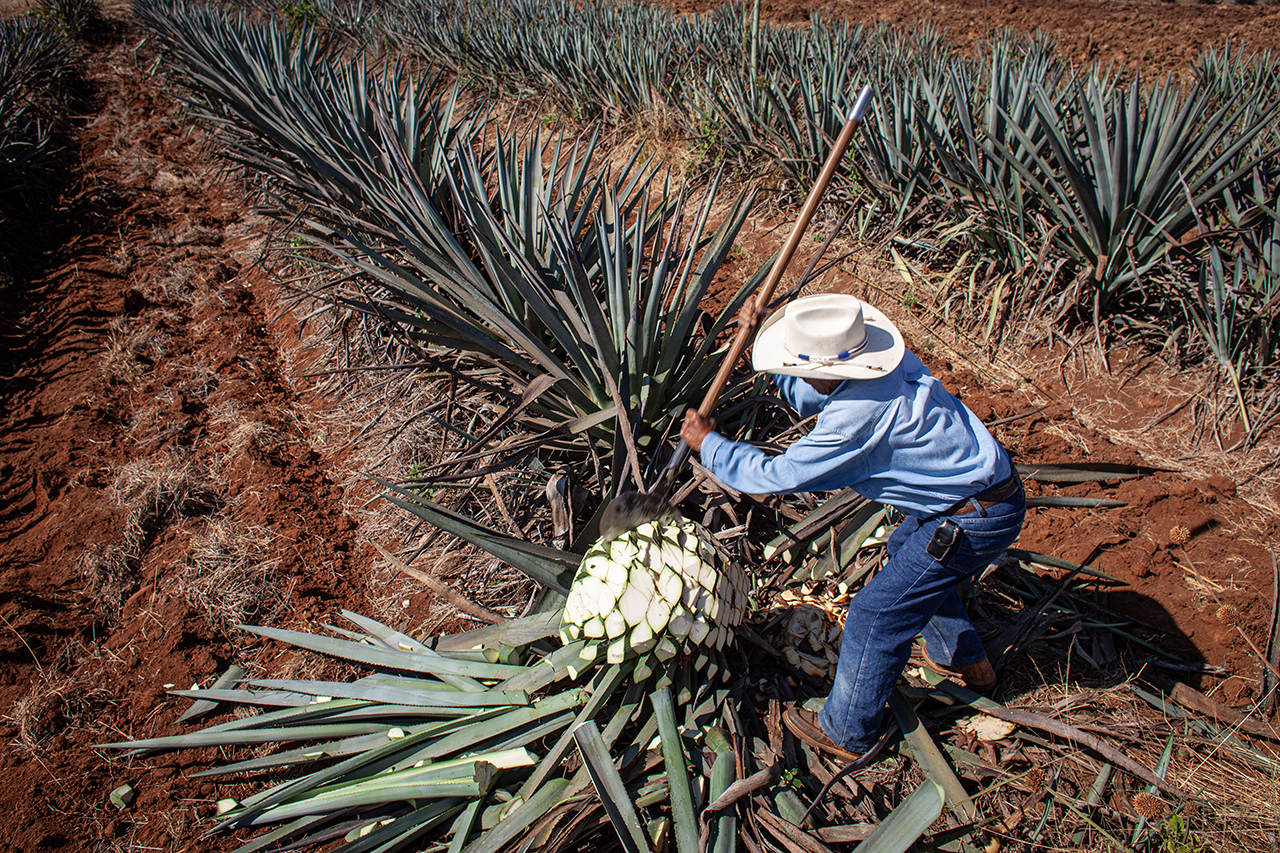
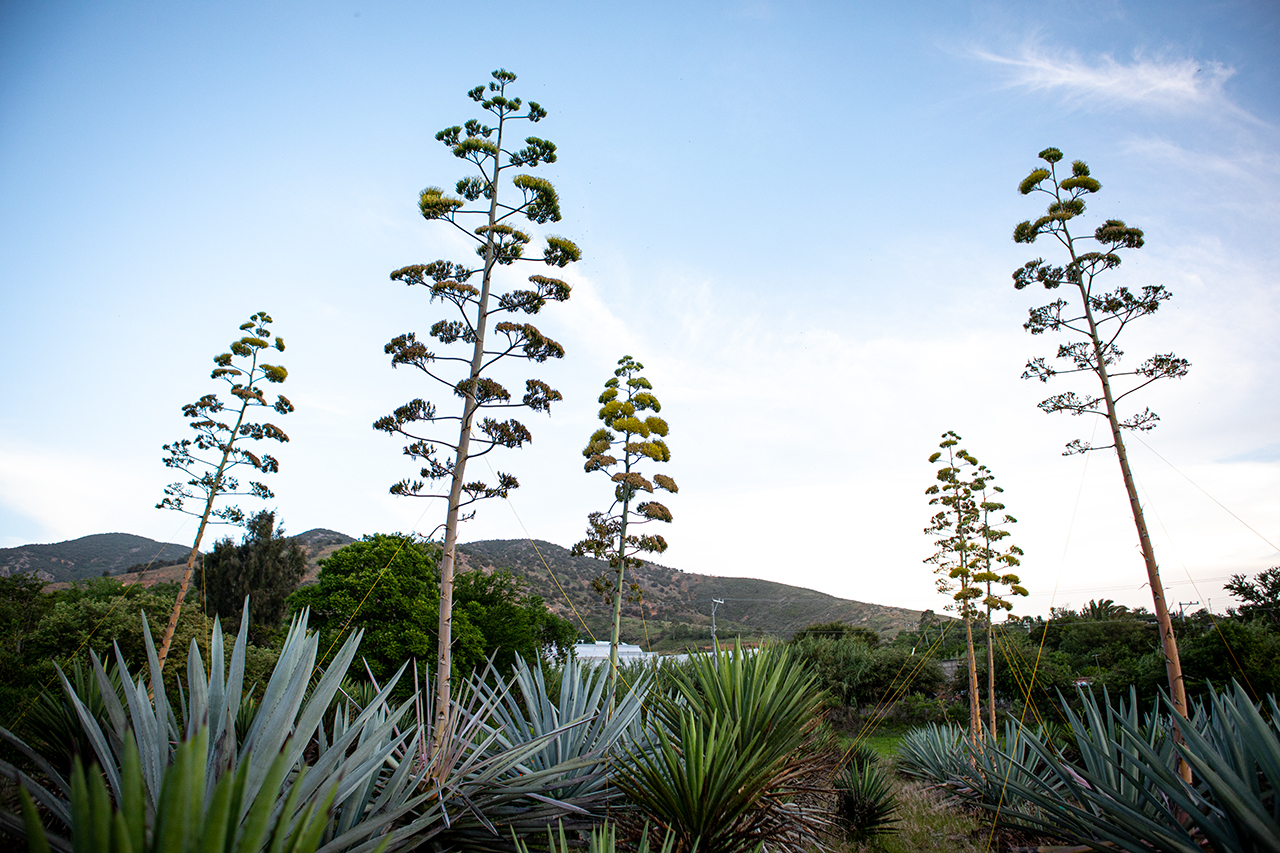
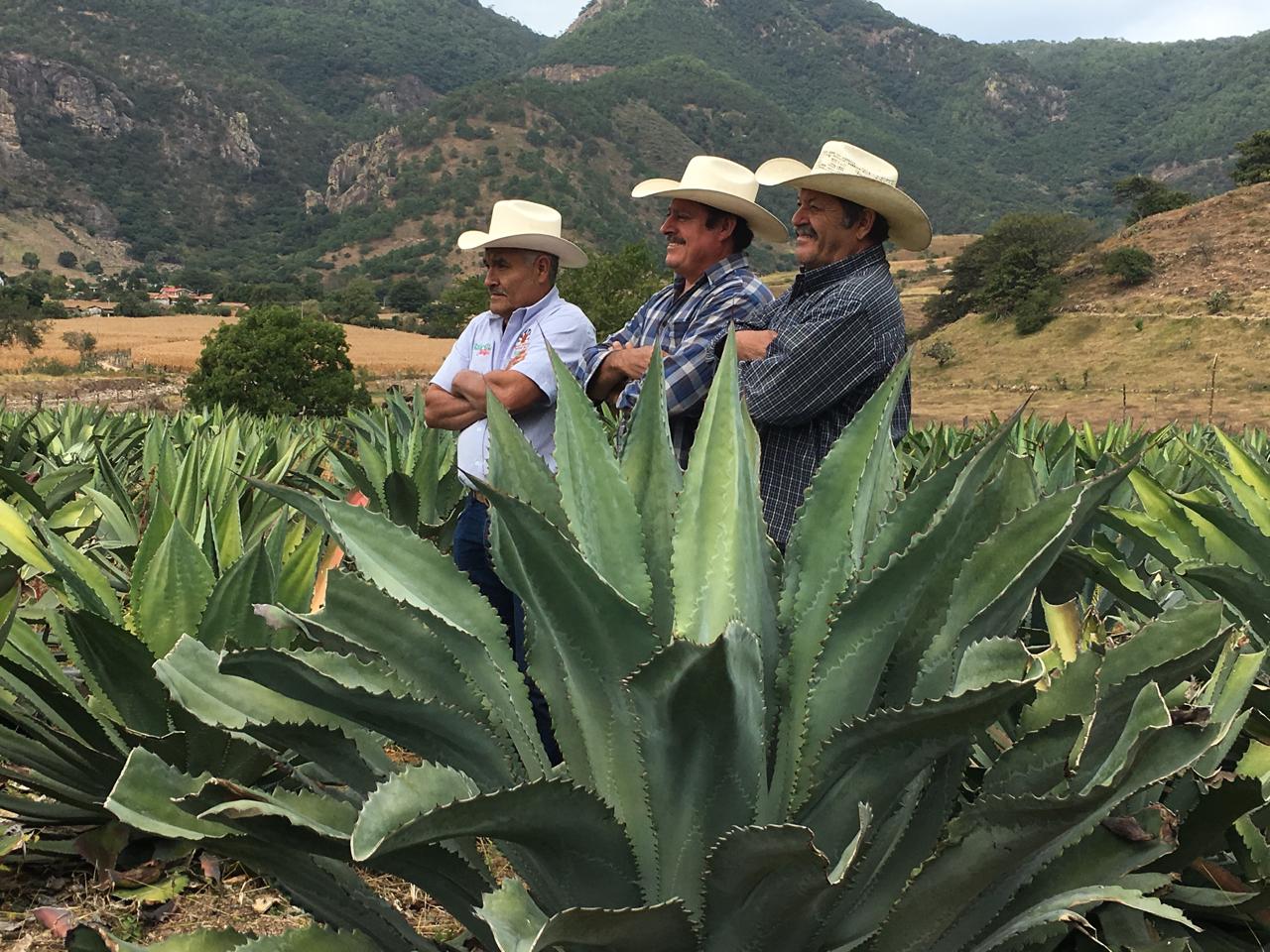
Agave spirits are often associated with Mexico, but today they are produced in several regions around the world. While tequila and mezcal are the most widely recognized, many other categories exist, each defined by geography, agave species, production traditions, and regulatory frameworks. At their core, all agave spirits are distilled from the fermented sugars of cooked agave plants, but the techniques used to harvest, cook, ferment, and distill them create dramatically different flavor profiles and cultural identities.
Below is an introductory overview of the most notable agave spirit categories currently produced worldwide.
Tequila
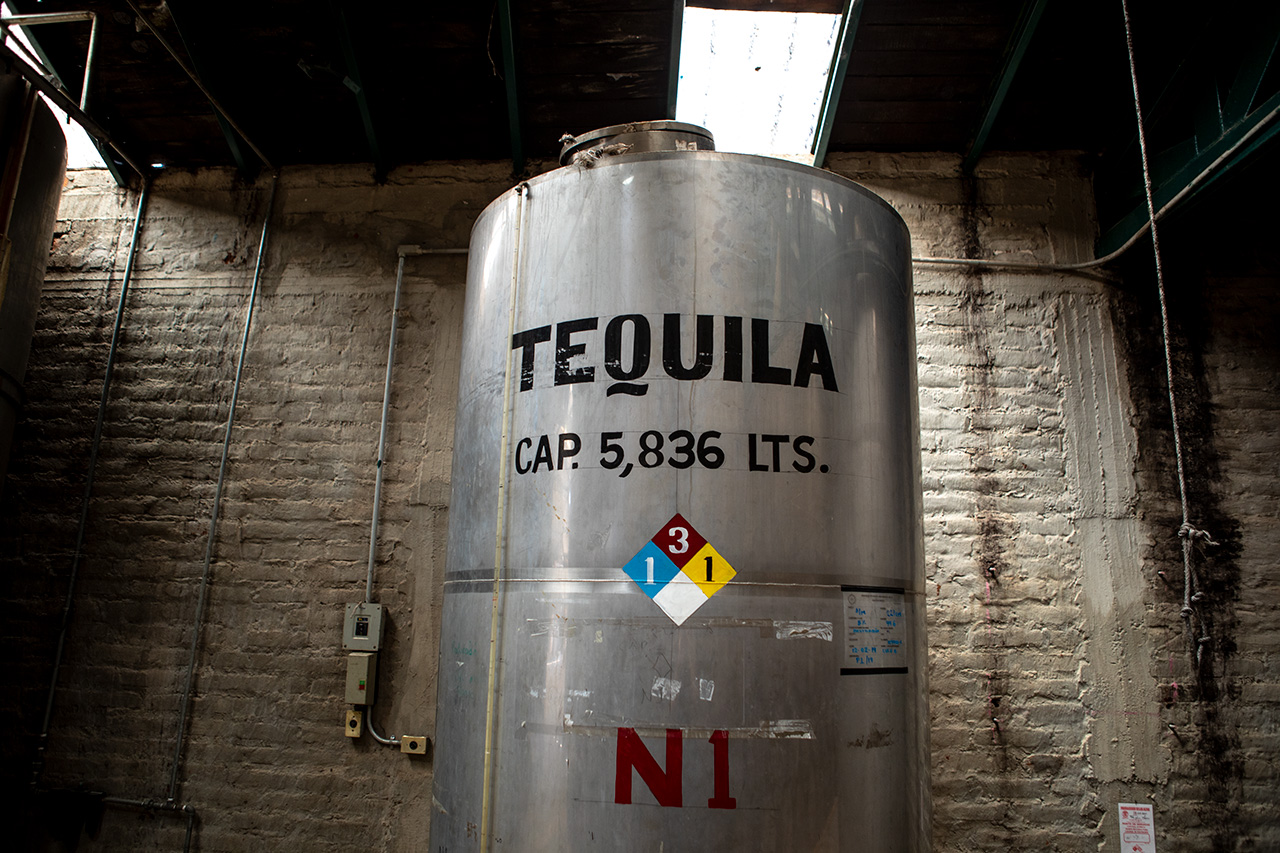
Tequila is the most internationally recognized agave spirit and is produced primarily in the Mexican state of Jalisco and a few surrounding regions. It must be made from Blue Weber agave (Agave tequilana) and is regulated under strict denomination-of-origin laws. Tequila production has become highly industrialized over the past century, although traditional methods still exist at some distilleries.
What makes tequila distinct:
-
Must be produced from Blue Weber agave only
-
Denomination of origin covering Jalisco and limited areas of 4 other Mexican states
-
Two main categories:
-
100% agave tequila
-
Mixto tequila (minimum 51% agave sugars)
-
-
Typically cooked in steam ovens or autoclaves, or industrial production boiling raw agave juice
-
Often distilled in stainless steel or copper pot stills, with industrial production using column stills
-
Common aging categories:
-
Blanco
- Joven
-
Reposado
-
Añejo
-
Extra Añejo
-
Mezcal
Mezcal is a broader category of traditional Mexican agave spirits produced across multiple states, most famously Oaxaca. Unlike tequila, mezcal can be made from many species of agave, and traditional production methods are still widely practiced. The spirit often displays smoky or earthy characteristics due to the roasting of agave in underground pit ovens.
What makes mezcal distinct:
-
Produced from dozens of agave species (espadín, tobalá, tepeztate, etc.)
-
Denomination of origin covering multiple Mexican states
-
Agave typically roasted in underground pit ovens
-
Fermentation commonly occurs in open-air wooden vats
-
Distillation often done in small copper pot stills or clay stills
-
Many producers operate on a small, artisanal scale
-
Flavor profiles vary dramatically based on agave species and region
Raicilla
Raicilla is a traditional agave spirit from western Mexico, primarily produced in the state of Jalisco. Historically it was produced illegally and sold locally, but it now has official recognition and growing international interest. Raicilla production techniques vary by region, producing distinct styles.
What makes raicilla distinct:
-
Produced mainly in Jalisco
-
Made from several agave species such as maximiliana, inaequidens, and angustifolia
-
Two main regional styles:
-
Coastal (Costa)
-
Mountain (Sierra)
-
-
Cooking methods include earthen ovens or above-ground ovens
-
Some producers use Filipino-style stills made from wood
-
Flavor profiles often show tropical fruit, herbal, and savory notes
Bacanora
Bacanora is a traditional agave spirit produced in the Mexican state of Sonora. For many decades it was illegal to produce, which pushed production into remote mountain regions. Bacanora has a distinctive regional identity and is made from a specific agave species native to the area.
What makes bacanora distinct:
-
Produced in Sonora, Mexico
-
Made primarily from Agave angustifolia (Pacific agave)
-
Historically produced illegally until legalized in 1992
-
Agave cooked in underground pit ovens
-
Often distilled in small rustic stills
-
Typically displays earthy, mineral, and lightly smoky characteristics
Sotol
Although commonly grouped with agave spirits, sotol is technically produced from a different plant species called Dasylirion, sometimes referred to as desert spoon. It grows wild in northern Mexico and parts of the southwestern United States. Sotol has its own denomination of origin and distinct production tradition.
What makes sotol distinct:
-
Made from Dasylirion plants, not agave
-
Produced mainly in Chihuahua, Durango, and Coahuila
-
Plants are wild harvested in desert environments
-
Cooking and fermentation methods similar to mezcal
-
Flavor profiles often include herbal, grassy, and mineral notes
-
Increasing production in Texas and other parts of the U.S.
Comiteco
Comiteco is a rare and unusual agave spirit from the state of Chiapas in southeastern Mexico, primarily around the town of Comitán. What sets it apart from nearly every other agave spirit is its production method. Instead of cooking the agave to convert starches into sugars, traditional comiteco is made by fermenting and distilling aguamiel, the natural sap of the agave plant. This places it closer in process to pulque than to tequila or mezcal, even though it is ultimately distilled. Because it has never been widely commercialized or tightly regulated, comiteco remains a loosely defined and highly variable category that is difficult to find outside its local region.
What makes comiteco distinct:
-
Produced in Chiapas, Mexico, especially around Comitán
-
Often made from Agave americana, though not strictly standardized
-
Uses aguamiel (agave sap) rather than cooked agave piñas
-
No cooking step, since the sap already contains fermentable sugars
-
Fermentation is typically open-air using wild yeast
-
Distilled in small, often rustic pot stills
-
Some historical variation may include additional sugar sources, though not consistently
-
Flavor profile is often lighter, more fermentation-driven, and less roasted than other agave spirits
-
Lacks a widely enforced denomination of origin, leading to significant variation between producers
Cocuy
Cocuy is a traditional agave spirit from Venezuela with a long history dating back to the colonial era. It is produced primarily in the northwestern regions of the country (especially the state of Lara) where agave grows naturally in the dry, mountainous landscape. For much of the 20th century cocuy production was illegal, which forced the practice underground and preserved many rustic, small-scale techniques. In recent decades the spirit has regained legal recognition and is now protected under the denomination Cocuy de Pecaya. Like many traditional agave spirits, cocuy production is deeply tied to local communities and wild agave harvesting.
What makes cocuy distinct:
-
Produced primarily in northwestern Venezuela, especially Lara and Falcón states
-
Made mainly from Agave cocui (Agave cocui Trelease)
-
Many plants are wild-harvested from arid mountain regions
-
Agave is traditionally roasted in earthen pit ovens
-
Fermentation often occurs in open-air containers using wild yeast
-
Distillation commonly performed in small rustic pot stills
-
Historically illegal for decades, which preserved traditional production methods
-
Flavor profiles often include smoky, herbal, mineral, and roasted agave notes
International Agave Spirits
As global interest in agave spirits grows, producers outside Mexico have begun cultivating agave and experimenting with distillation. These spirits cannot legally be labeled as tequila or mezcal, but they represent a rapidly emerging category.
What makes international agave spirits distinct:
-
Produced outside Mexico in places such as:
-
California
- Hawaii
-
Australia
-
South Africa
-
Japan
-
-
Often use Blue Weber agave or locally adapted species
-
Producers experiment with different cooking and fermentation techniques
-
Not governed by Mexican denomination-of-origin regulations
-
Flavor profiles vary widely depending on climate, soil, and production methods