Tequila: The World’s Most Recognized Agave Spirit
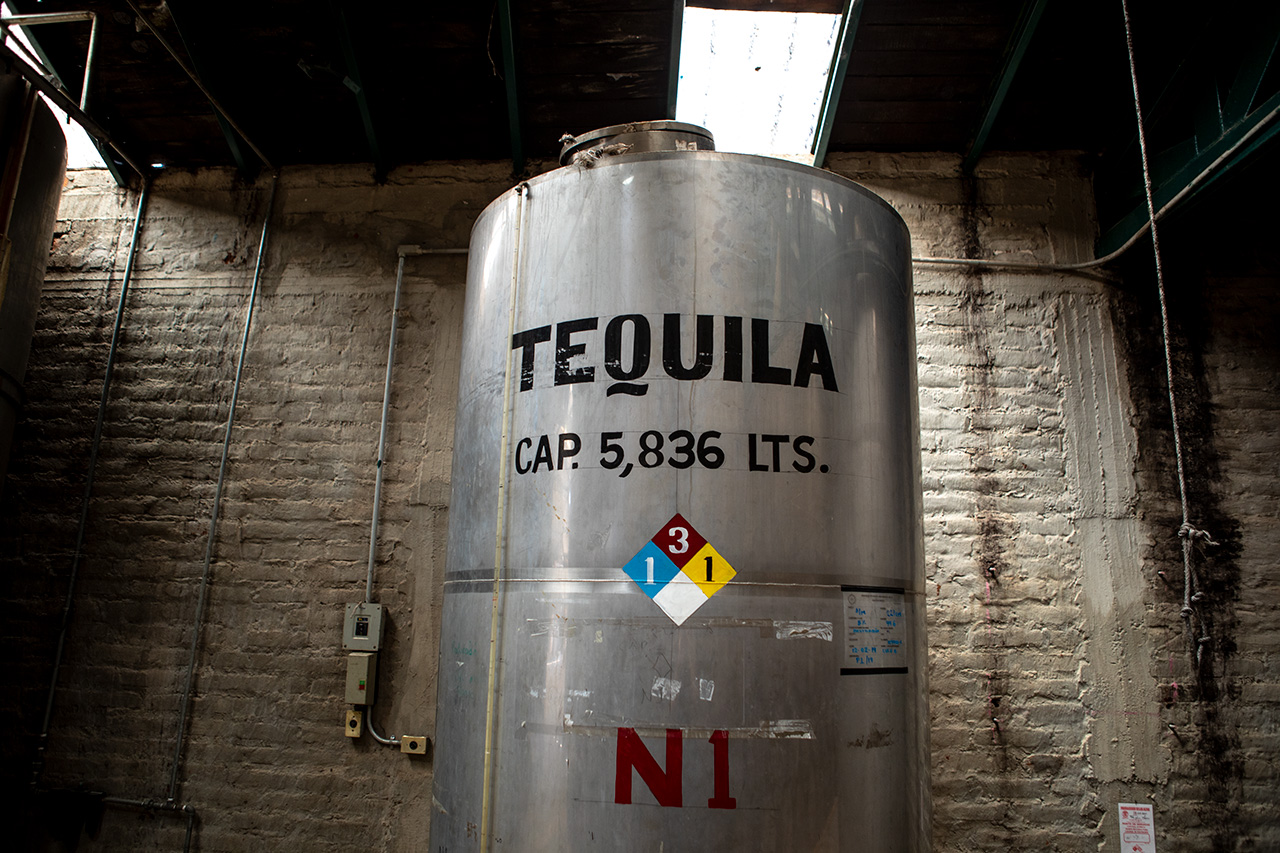
Tequila is often the first stop for anyone exploring agave spirits, and for good reason. It is the most widely produced, the most regulated, and the most recognizable worldwide. But behind the familiar name is a surprisingly complex spirit shaped by agriculture, chemistry, tradition, and industrial innovation. Whether it is a crisp blanco or a deeply aged extra añejo, tequila offers far more variety than most people expect.
Where Tequila Comes From
Tequila can only be produced in specific regions of Mexico under a denomination of origin. The vast majority comes from the state of Jalisco, especially around the town of Tequila, along with limited areas in Guanajuato, Michoacán, Nayarit, and Tamaulipas.
The raw material is Blue Weber agave, a plant that takes around 5 to 7 years to mature. Unlike other agave spirits, tequila is restricted to this single species, which is one reason it tends to have a more consistent flavor profile compared to categories like mezcal.
How Tequila Is Made
Even though all tequila starts from the same plant, the production process can vary quite a bit depending on the producer. These choices have a direct impact on aroma, flavor, and texture.
1. Harvesting (Jimado)
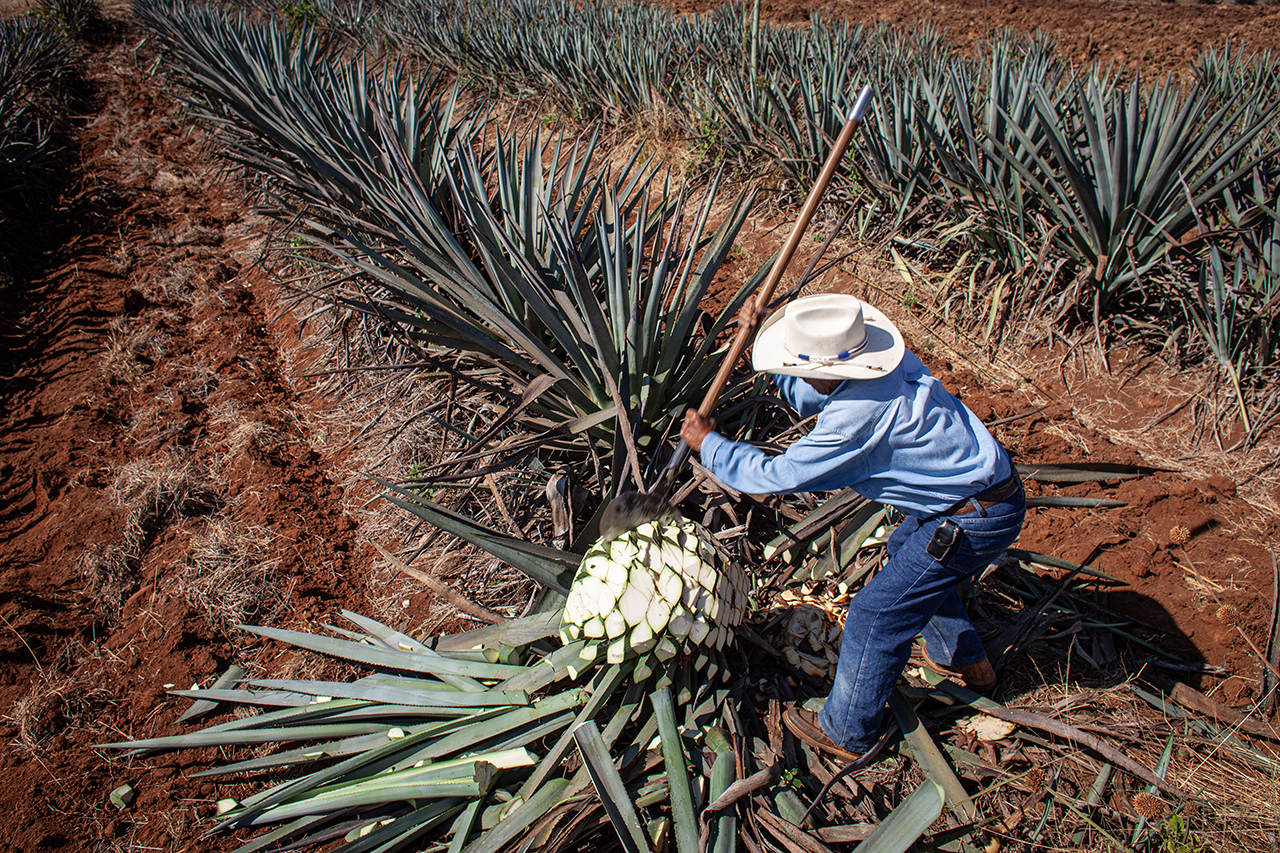
Skilled harvesters called jimadores cut away the leaves to reveal the heart of the agave, known as the piña. These can weigh anywhere from 40 to over 100 pounds.
2. Cooking the Agave
Cooking converts complex carbohydrates into fermentable sugars.
-
Traditional method: brick ovens (hornos), slow and even cooking over several days
-
Modern method: autoclaves, faster steam-pressure cooking
-
Industrial method: diffusers, which extract sugars without traditional cooking
3. Extraction
The cooked agave is crushed to extract juice.
-
Traditional: tahona stone wheel
-
Modern: roller mills
-
Diffuser systems bypass this step entirely
4. Fermentation
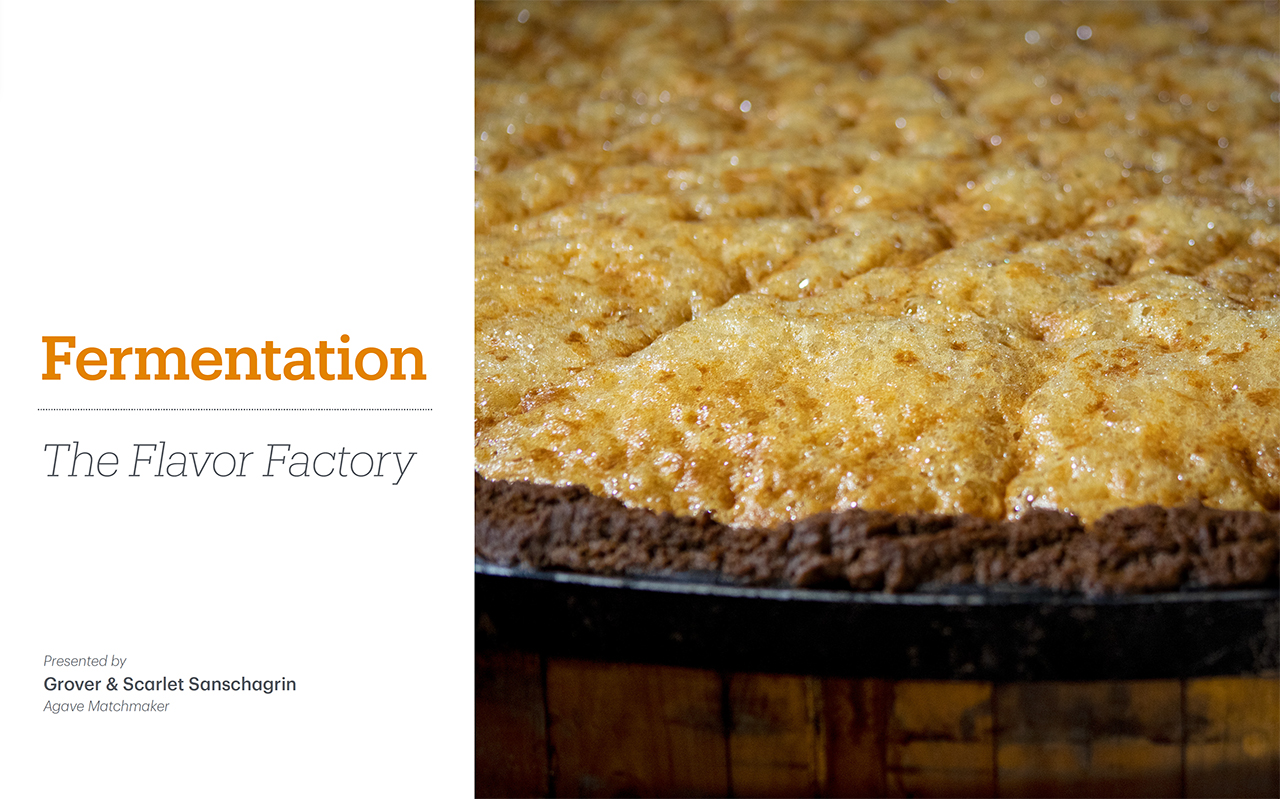
The extracted juice or mash is fermented into alcohol.
-
Can use open-air tanks or closed stainless steel vessels
-
Yeast may be commercial or wild
-
Fermentation time can range from a couple of days to over a week
5. Distillation
Tequila is typically distilled twice.
-
Usually in copper pot stills or stainless steel stills
-
Some producers experiment with additional distillations for refinement
6. Aging (Optional)
After distillation, tequila may be aged in oak barrels.
-
Barrel type, size, and previous use all influence the final flavor
Tequila Styles and Categories
Tequila is classified both by composition and by aging.
By composition:
-
100% Agave: All sugars come from agave
-
Mixto: At least 51% agave sugars, with the rest from other sources
By aging:
-
Blanco: Unaged or rested briefly, bright and agave-forward
-
Reposado: Aged 2 months to under 1 year
-
Añejo: Aged 1 to 3 years
-
Extra Añejo: Aged more than 3 years
What Tequila Tastes Like
Tequila flavors are shaped by both the agave itself and the production process.
Common aromas and flavors:
-
Cooked agave, honey, and light citrus
-
Black pepper, herbs, and sometimes mint or anise
-
Earthy or mineral notes, especially in traditionally-made tequila
-
Barrel-aged expressions may show vanilla, caramel, oak, chocolate, and dried fruit
Blancos tend to highlight the raw character of the agave, while aged tequilas take on more influence from the barrel.
Rules and Regulations
Tequila is heavily regulated, which helps ensure consistency but also shapes how it is made.
-
Must be produced in approved regions of Mexico
-
Must use Blue Weber agave
-
Governed by the NOM system, which identifies the parties responsible for its production
-
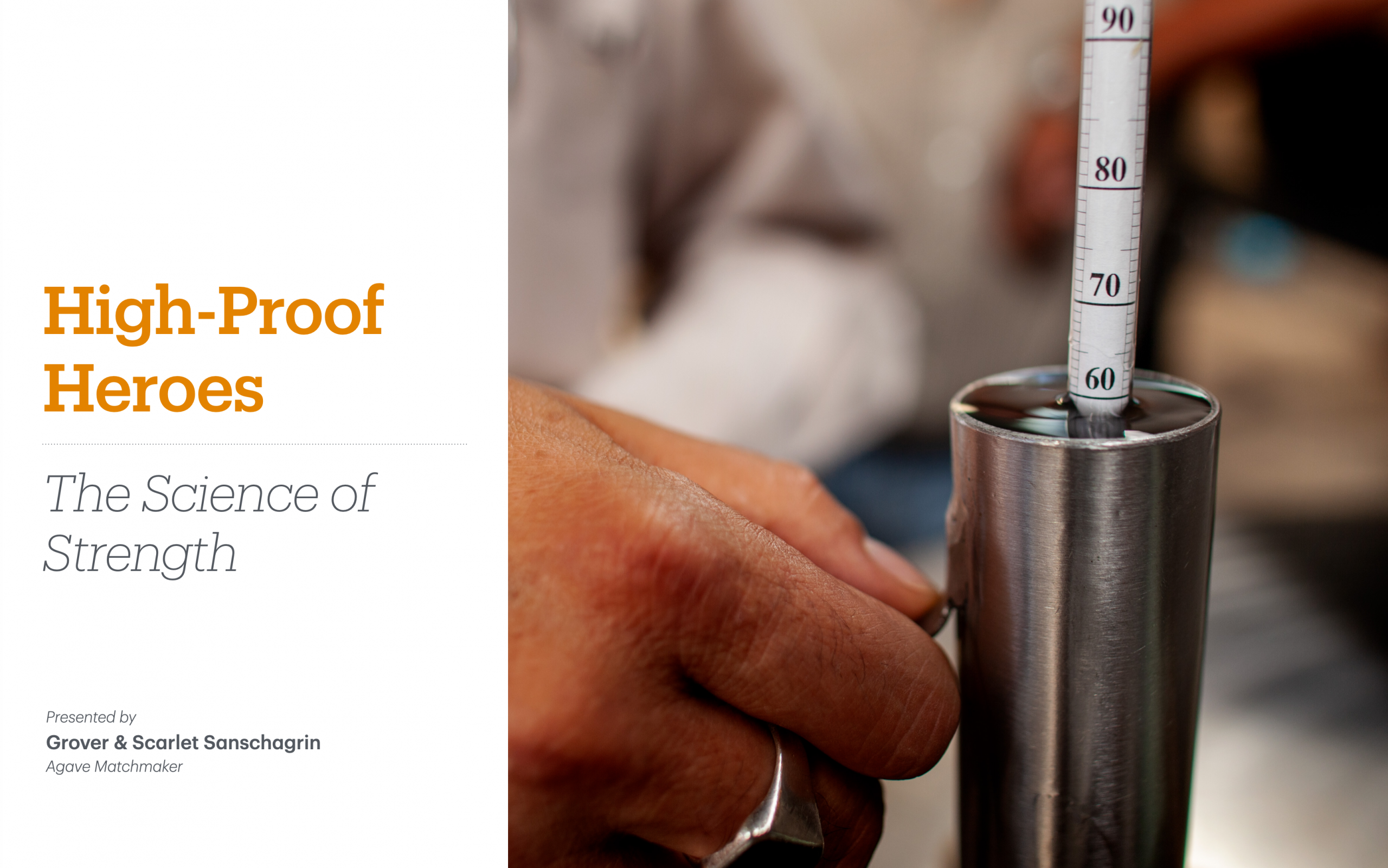
Bottled at a minimum of 35% ABV for export, though most are 40% and the maximum allowable is 55% ABV
-
Labeling rules define categories like 100% agave and aging classifications. For a tequila to include “100% agave” on the label, it must be bottled within Mexico. Bottling outside of Mexico is allowed, but the label must only use the term “tequila”, minus the “100% agave.”
One important detail is that additives are legally allowed (1% by weight) in all tequilas, including natural and artificial sweeteners, coloring, and flavoring agents. The term “Additive Free” is prohibited from all labeling, even if a tequila does not use them.
A Bit of History
Tequila traces its roots back to indigenous fermentation traditions, long before distillation arrived with the Spanish. Early agave beverages like pulque were fermented, not distilled. When distillation techniques were introduced, producers began creating what would eventually become mezcal and later tequila.
By the 20th century, tequila production became more industrialized, especially as global demand increased. This led to the rise of large-scale operations, but also sparked a renewed interest in traditional methods in recent years.
Interesting Facts and Trivia
-
The word “tequila” comes from the town of Tequila in Jalisco
-
Every bottle lists a NOM number, which tells you where it was made
-
Some brands share the same distillery, even if the labels look completely different
-
The diffuser is one of the most debated technologies in modern tequila production
-
Tequila is one of the few spirits categories with both highly industrial and highly traditional production happening side by side
Where to Learn More
If you want to go deeper into tequila, there are several great ways to continue exploring:
-
Distillery visits in Jalisco, especially around the town of Tequila and the highlands of Los Altos. Contact Experience Agave for expertly-run tours that are more about learning, and less about getting drunk.
-
Educational platforms and tasting apps like Agave Matchmaker, which can help people compare brands and production methods
-
Books focused on agave spirits production and history, including A Field Guide to Tequila.
-
Tasting events and seminars, especially those geared toward bartenders and enthusiasts