Mezcal: The Wild Heart of Agave Spirits
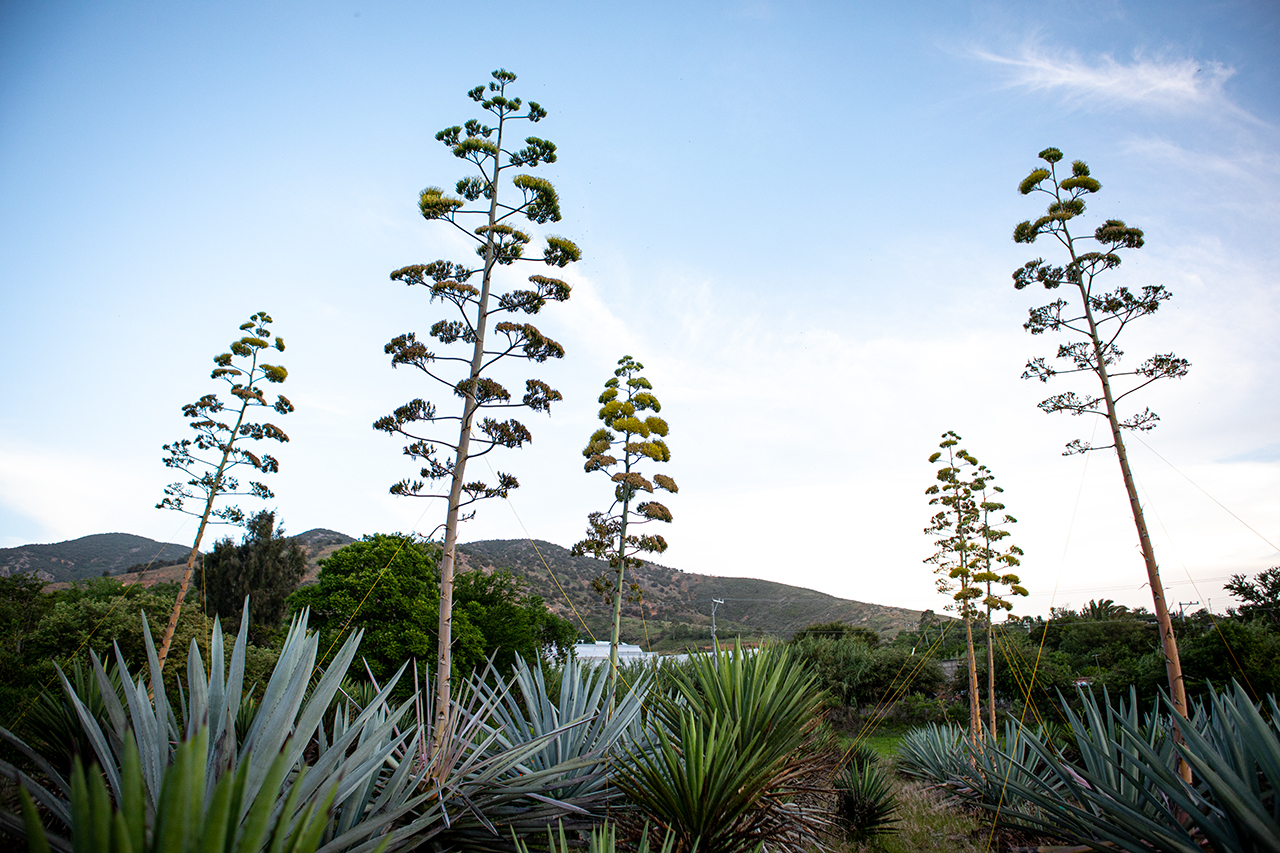
If tequila is the polished, global face of agave spirits, mezcal is its deeper, more rugged counterpart. It is less standardized, more diverse, and often more closely tied to local tradition. Mezcal is not just one flavor or style. It is a broad category that reflects different regions, agave species, and generations of inherited knowledge. For many enthusiasts, mezcal is where things get really interesting.
Where Mezcal Comes From
Mezcal is produced in several regions of Mexico under a denomination of origin, with Oaxaca being the most famous and dominant. Other approved states include Durango, Guerrero, San Luis Potosí, Puebla, Zacatecas, Michoacán, Tamaulipas, and Guanajuato.
Unlike tequila, mezcal can be made from many different species of agave. The most common is espadín (Agave angustifolia), but there are dozens of others used in production, including wild varieties that can take decades to mature.
How Mezcal Is Made
While there is variation across regions, mezcal production often follows traditional methods that have been preserved for generations. These methods are a big part of what gives mezcal its distinctive character.
1. Harvesting (Jimado)
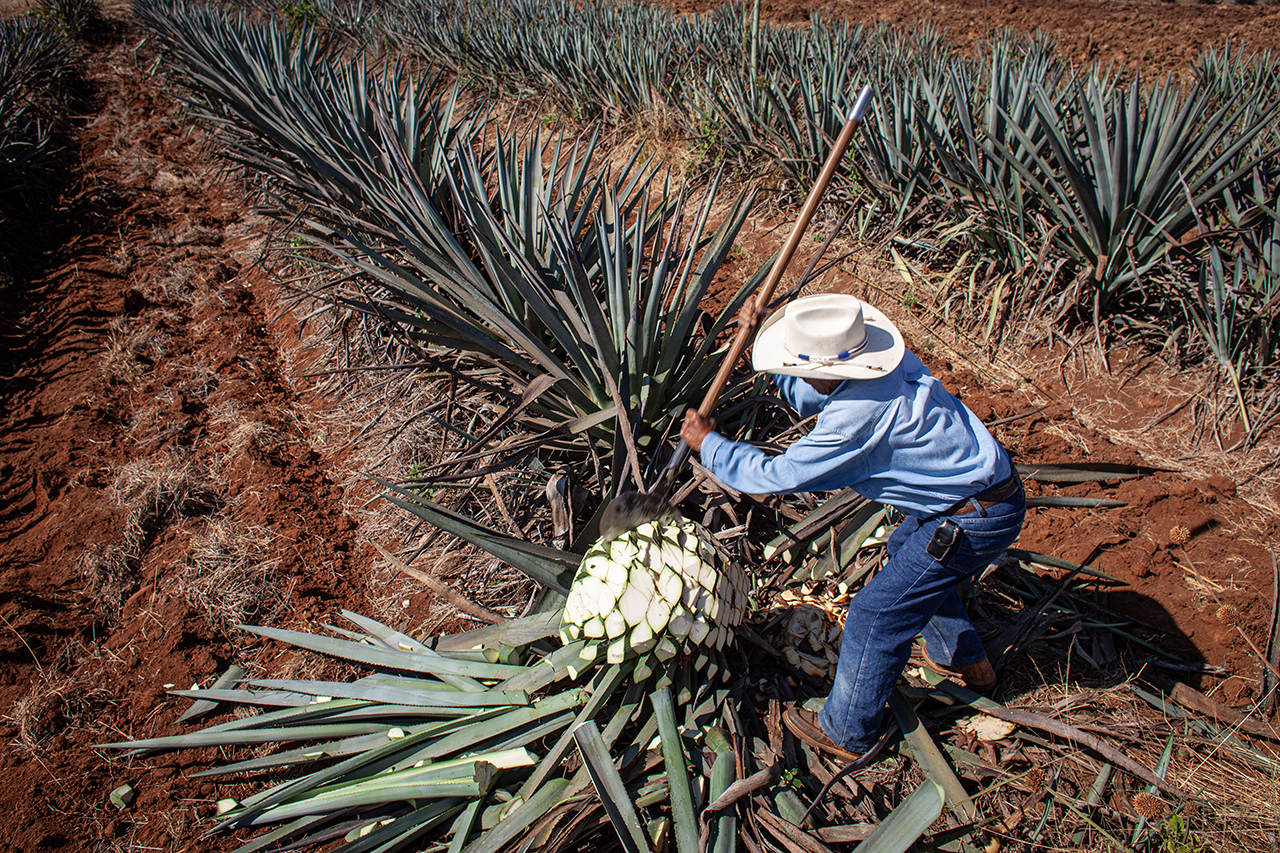
Agave is harvested by hand, often from rugged terrain. Wild agaves can take anywhere from 8 to 25 years or more to reach maturity.
2. Cooking the Agave
This is one of the defining steps in mezcal production.
-
Agave is typically roasted in underground pit ovens lined with hot stones
-
The piñas are covered with earth and left to cook for several days
-
This process creates the signature smoky and roasted flavors
3. Crushing (Molienda)
The cooked agave is crushed to extract fermentable material.
-
Commonly done with a tahona stone pulled by a horse or mule
-
In some regions, manual or mechanical shredders are used
4. Fermentation
Fermentation is often rustic and open to the environment.
-
Conducted in wooden vats, clay tanks, or even animal hides in rare cases
-
Relies on wild yeast and ambient microbes
-
Fermentation times vary widely depending on climate and altitude
5. Distillation
Mezcal is typically distilled twice, though some producers distill three times.
-
Equipment ranges from copper pot stills to traditional clay stills
-
Clay stills can contribute unique earthy and textured characteristics
Mezcal Styles and Classifications
Mezcal is categorized based on production methods rather than aging alone.
-
Mezcal: May include more modern equipment
-
Mezcal Artesanal: Uses traditional methods like pit ovens and tahonas
-
Mezcal Ancestral: The most traditional category, often using clay stills and very limited technology
Aging categories also exist but are less central to mezcal identity:
-
Joven: Unaged and most common
-
Reposado: Aged 2 months to under 1 year
-
Añejo: Aged 1 to 3 years
Most mezcal is consumed unaged to highlight the agave and production process.
What Mezcal Tastes Like
Mezcal is one of the most diverse spirits in the world. Flavor depends heavily on agave species, region, and technique.
Common aromas and flavors:
-
Smoke, ash, and roasted agave
-
Earth, wet stone, and minerals
-
Citrus, tropical fruit, or green vegetal notes
-
Herbs, spices, and sometimes floral tones
-
Savory or even slightly funky characteristics
Not all mezcal is smoky, but the roasting process often contributes at least some level of smoke. Some expressions can be intensely smoky, while others are more subtle and balanced.
Rules and Regulations
Mezcal is regulated under a denomination of origin, but it allows for far more flexibility than tequila.
-
Can be made from many agave species
-
Must be produced in approved Mexican states
-
Labeled with a NOM number identifying the producer
-
Often includes details like agave type, village, and producer name
-
Bottled typically around 40% to 50% ABV, though higher proof versions are common
There is growing emphasis on transparency, especially among small producers who highlight traditional practices and specific agave varieties.
A Bit of History
The word “mezcal” comes from the Nahuatl term mexcalli, meaning “cooked agave.” Long before tequila became dominant, mezcal was the general term for distilled agave spirits.
For centuries, mezcal was produced in rural areas for local consumption. Industrialization came much later compared to tequila, which is why many traditional methods have survived.
In recent decades, mezcal has gained international recognition, leading to increased demand. This has brought both opportunity and challenges, especially around sustainability and the harvesting of wild agave.
Interesting Facts and Trivia
-
Some wild agaves used in mezcal can take 20 to 30 years to mature
-
Each batch can taste noticeably different due to natural fermentation and local conditions
-
Certain mezcals include unusual production techniques, like distilling with fruits or meats in the still
-
The identity of the mezcalero (producer) is often as important as the brand itself
-
Smoke is not always the dominant flavor, despite common perception
Where to Learn More
If you want to explore mezcal further:
-
Visit mezcal-producing regions, especially Oaxaca, where many palenques are open to visitors. Tours offered by Experience Agave are excellent and highly recommended.
-
Attend tastings that focus on single village or single producer mezcals
-
Use online websites and databases to compare agave species and production methods. One such resource is Mezcal Reviews.
-
Look for educational content that highlights sustainability and traditional practices. The Mezcalistas website is a trusted source of on-the-ground industry information.
Final Thoughts
Mezcal is less about consistency and more about expression. It reflects the land, the agave, and the hands that made it. No two mezcals are exactly the same, and that is part of the appeal.
For someone willing to explore, mezcal offers an almost endless range of flavors and stories. It is not just a category of spirits. It is a window into culture, geography, and time.