Cocuy: Venezuela’s Desert Agave Revival
by Staff · March 18, 2026
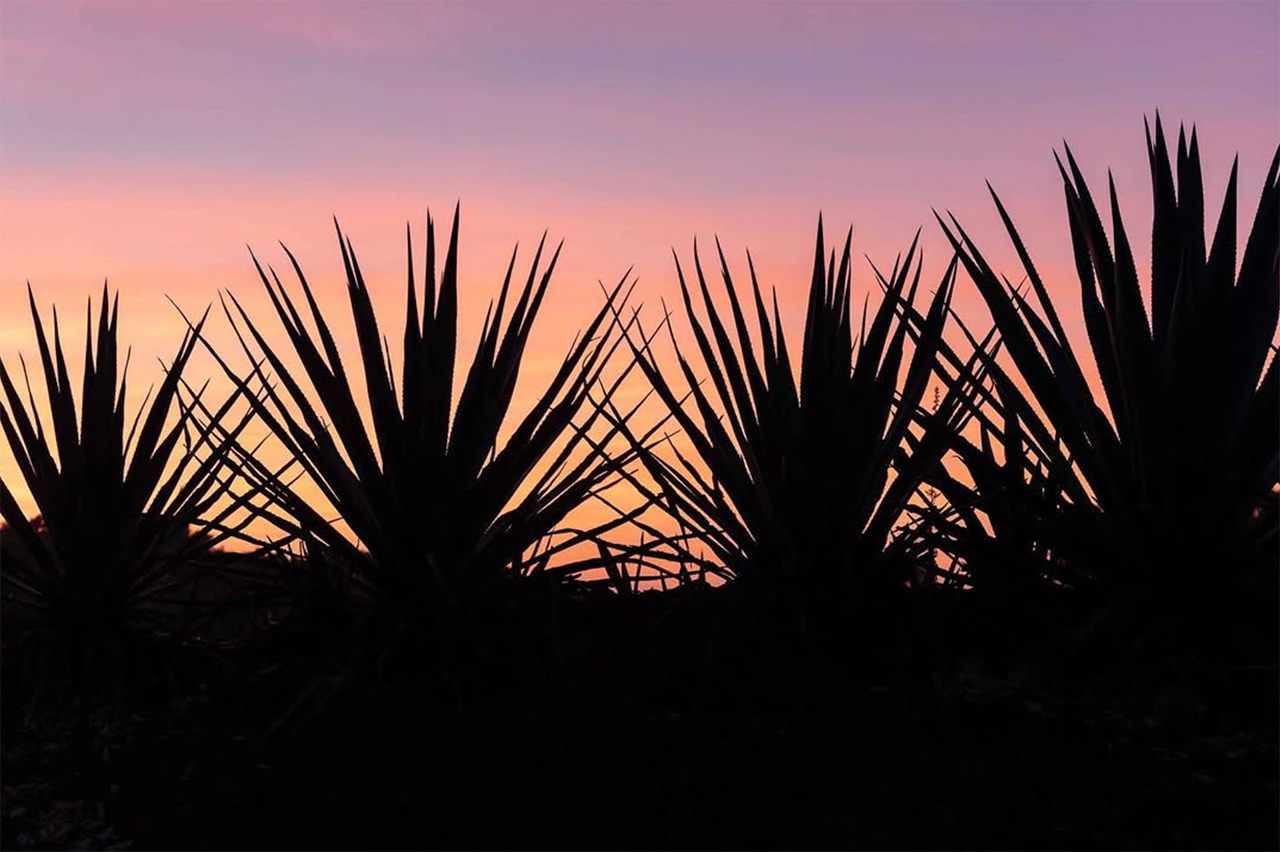
Photo: Cocuy La Capilla
Cocuy is one of the most fascinating agave spirits outside of Mexico. Produced in Venezuela, it shares some similarities with mezcal in terms of rustic methods and wild agave harvesting, but it has its own identity shaped by geography, culture, and a long period of prohibition. For decades, cocuy was made in secret. Today, it is re-emerging as a recognized and protected spirit with deep regional roots.
If you are exploring agave spirits beyond Mexico, cocuy is one of the most important categories to understand.
Where Cocuy Comes From
Cocuy is produced in northwestern Venezuela, primarily in the states of Lara and Falcón. The most well-known and recognized production area is Pecaya, which is associated with the denomination Cocuy de Pecaya.
This region is dry and mountainous, with conditions that are well suited for agave growth. The landscape has more in common with northern Mexico than with the tropical image many people have of Venezuela.
The primary species used is Agave cocui (Agave cocui Trelease), which grows wild across the region.
How Cocuy Is Made
Cocuy production is often traditional and closely tied to local practices. While methods can vary, many producers follow techniques that have been passed down for generations.
1. Harvesting
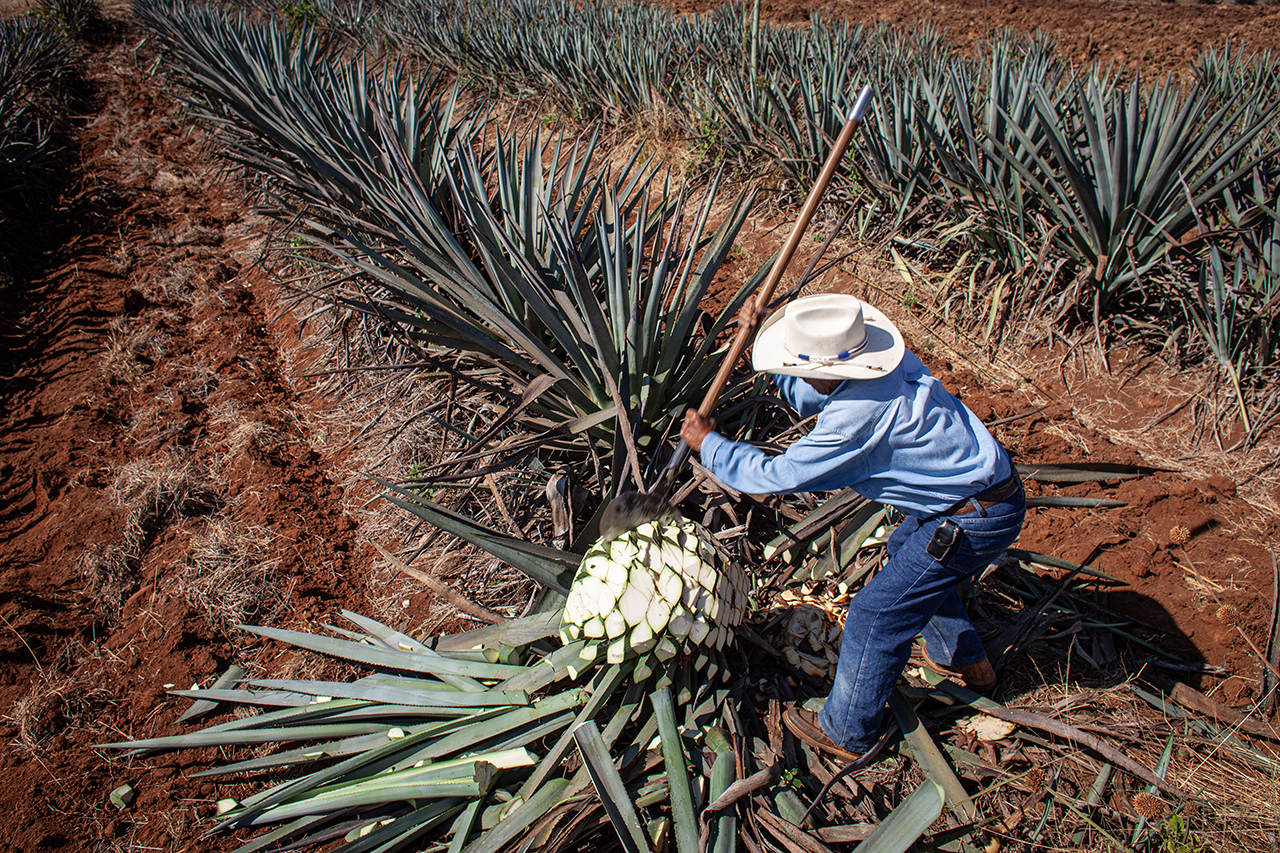
Agaves are typically wild-harvested from arid hillsides. These plants can take many years to mature and are selected based on size and ripeness.
2. Cooking the Agave
-
Agave piñas are roasted in underground pit ovens
-
Covered with earth and cooked over several days
-
This process develops roasted, smoky, and caramelized flavors
3. Crushing (Molienda)
-
Often done manually or with simple mechanical tools
-
The goal is to break down the cooked agave to prepare it for fermentation
4. Fermentation
-
Usually takes place in open-air containers
-
Relies on wild yeast and natural bacteria
-
Fermentation conditions can vary widely depending on climate and producer
5. Distillation
-
Typically distilled in small pot stills, often rustic in design
-
Materials can include copper or improvised local equipment
Cocuy Styles and Variations
Cocuy is not heavily categorized, but there is still variation between producers.
-
Most cocuy is bottled unaged
-
Differences come from location, agave source, and production technique
-
Some producers are beginning to experiment with refinement and consistency as the category grows
Because production is still relatively small-scale, each batch can have its own personality.
What Cocuy Tastes Like
Cocuy shares some characteristics with mezcal, but it often presents its own balance of flavors.
Common aromas and flavors:
-
Roasted agave and light smoke
-
Herbal and earthy notes
-
Mineral or slightly salty characteristics
-
Subtle fruitiness in some expressions
-
A dry, clean finish
In many cases, cocuy is less intensely smoky than some mezcals, with a profile that can feel balanced between earth, herbs, and roast.
Rules and Regulations
Cocuy has gained formal recognition in recent years, but the category is still developing.
-
Protected under the denomination Cocuy de Pecaya
-
Must be produced in specific regions of Venezuela, particularly around Pecaya
-
Made from Agave cocui
-
Production methods are generally traditional, though not as tightly standardized as tequila
Outside of the protected designation, other cocuy-style spirits may still be produced with varying levels of oversight.
A Bit of History
Cocuy has a long history in Venezuela, dating back to colonial times. Like many agave spirits, it developed from local fermentation traditions combined with introduced distillation techniques.
In the 20th century, cocuy production was banned for several decades, forcing producers to operate illegally. This pushed production into remote areas and helped preserve traditional methods.
It was legalized again in the early 2000s, and since then there has been a gradual effort to formalize and promote the category.
Interesting Facts and Trivia
-
Cocuy was illegal for many years, leading to a strong underground production culture
-
The agave used, Agave cocui, is different from the species used in tequila and most mezcal
-
The production region has a desert-like climate, unusual for Venezuela
-
Many producers still operate at a small, family-run scale
-
The category is in the early stages of international recognition
Where to Learn More
If you want to explore cocuy further:
-
Visit Pecaya and surrounding regions in Venezuela to see traditional production
-
Seek out specialty importers that focus on lesser-known agave spirits
-
Compare cocuy with mezcal to understand similarities and differences
-
Follow emerging producers as the category continues to develop