Raicilla: Jalisco’s Hidden Agave Tradition
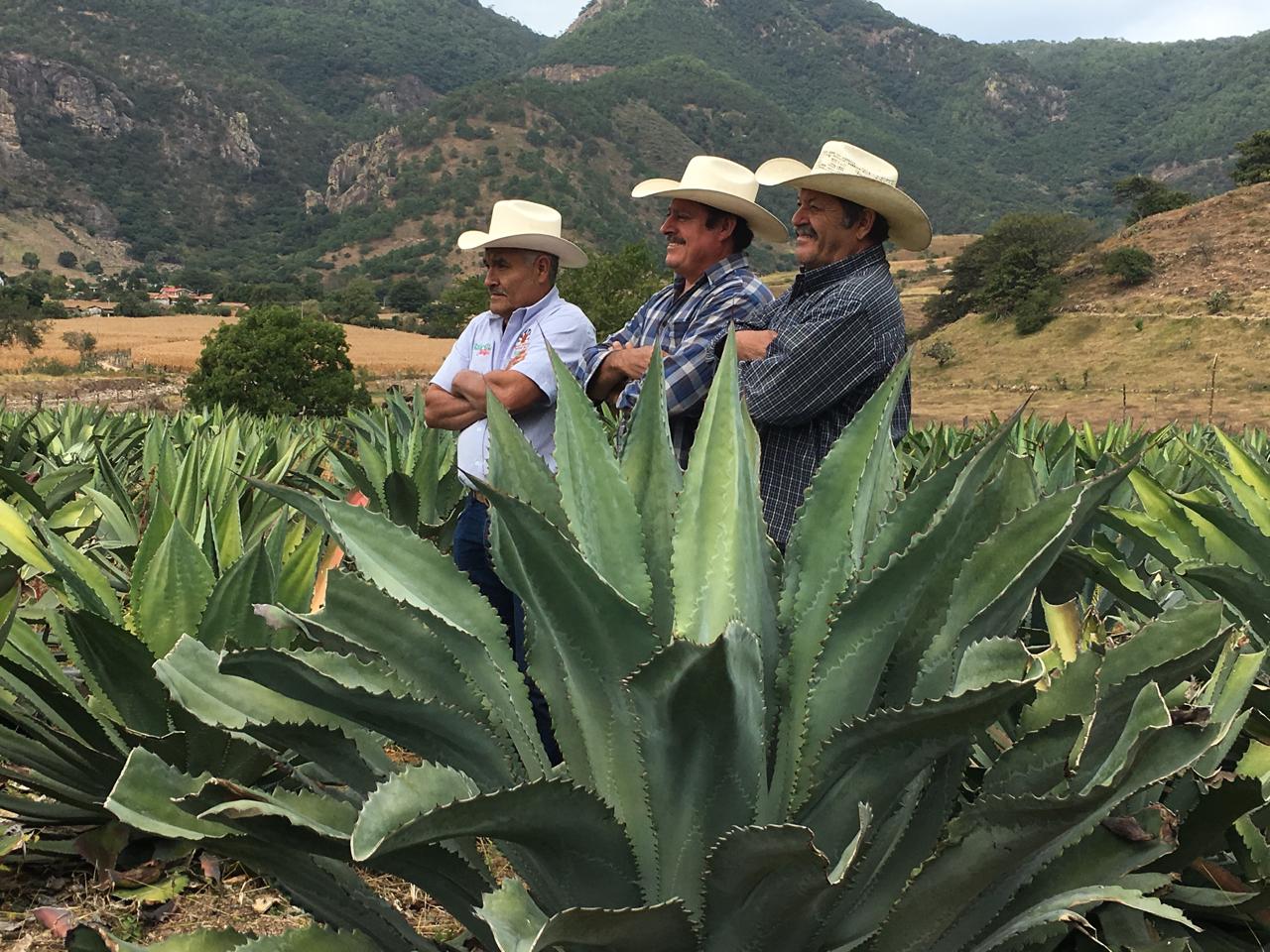
Photo: Andres Moran
Raicilla is often described as one of Mexico’s best-kept secrets. It comes from the same state as tequila, but for most of its history it lived in the shadows, produced quietly in remote regions and sold locally. Today, raicilla is gaining recognition as a distinct agave spirit with its own identity, shaped by geography, agave species, and some very unique production techniques.
What makes raicilla especially interesting is that it is not just one style. It is really two quite different traditions under the same name, divided between coastal and mountain regions. The result is a category that can vary widely from bottle to bottle.
Where Raicilla Comes From
Raicilla is produced in the Mexican state of Jalisco, with a denomination of origin that also includes a small area of neighboring Nayarit.
There are two main production regions:
-
Sierra (mountain region) around Mascota and San Sebastián del Oeste
-
Costa (coastal region) near Puerto Vallarta and Cabo Corrientes
These regions differ in climate, altitude, and agave species, all of which influence the final spirit.
How Raicilla Is Made
Raicilla production methods are often traditional, but they vary depending on the region and the producer. This variation is a big part of what defines the category.
1. Harvesting (Jimado)
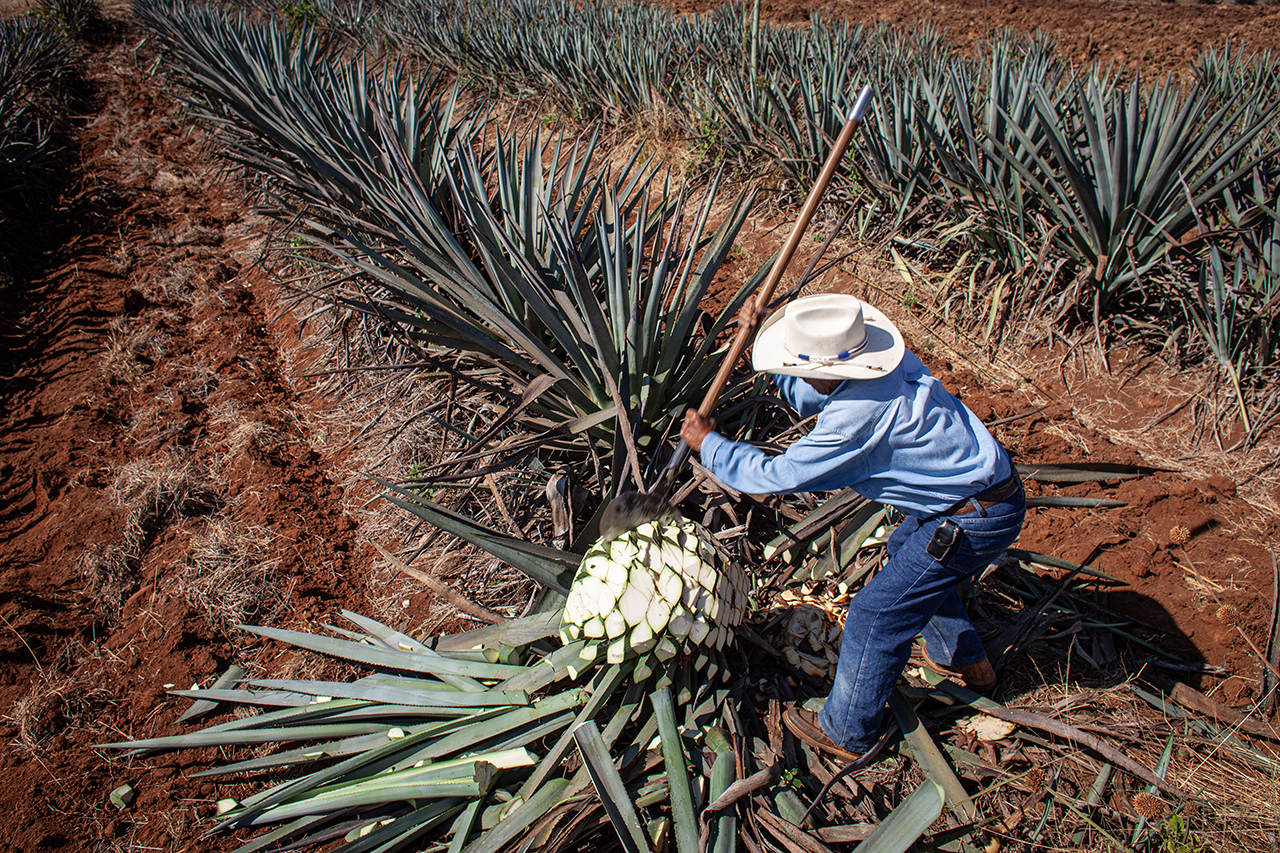
Agaves are harvested by hand, often from wild or semi-wild environments. Maturity can take anywhere from 6 to over 15 years depending on the species.
2. Cooking the Agave
-
In the Sierra, agave is often cooked in underground pit ovens, similar to mezcal
-
In the Costa, producers may use above-ground ovens or more rudimentary roasting methods
This difference alone can lead to noticeable flavor variation.
3. Crushing (Molienda)
-
Traditional methods include wooden mallets or mechanical shredders
-
Tahonas are less common than in tequila or mezcal production
4. Fermentation
-
Usually takes place in open-air wooden vats or tanks
-
Relies heavily on wild yeast and ambient conditions
-
Fermentation times can vary significantly depending on weather and location
5. Distillation
This is where raicilla really stands out.
-
Some producers use copper pot stills
-
Others use Filipino-style stills made from wood, sometimes with clay or metal components
-
These stills can produce a lighter, more aromatic spirit with a distinct texture
Raicilla Styles and Regional Differences
Raicilla is not formally divided into as many categories as tequila or mezcal, but regional styles are very important.
Sierra-style raicilla:
-
Often more similar to mezcal in structure
-
Can show earthy, smoky, and robust characteristics
-
Typically higher altitude influences fermentation and flavor
Coastal (Costa) raicilla:
-
Usually lighter and more aromatic
-
Often shows tropical fruit, floral, and briny notes
-
Filipino-style stills are more common in this region
Most raicilla is bottled unaged, though some producers experiment with resting or aging.
What Raicilla Tastes Like
Raicilla can be surprisingly diverse, especially when comparing Sierra and Costa expressions.
Common aromas and flavors:
-
Tropical fruit like banana, pineapple, and mango
-
Herbal and green notes
-
Light smoke or roasted agave, depending on cooking method
-
Saline or coastal minerality in some expressions
-
Floral, funky, or slightly savory characteristics
Compared to mezcal, raicilla is often less overtly smoky and can lean more toward fruit and aromatics, especially from coastal producers.
Rules and Regulations
Raicilla now has official recognition under a denomination of origin, though it remains less rigidly defined than tequila.
-
Produced in specific regions of Jalisco and Nayarit
-
Made from multiple agave species, including maximiliana, inaequidens, and angustifolia
-
Must follow approved production methods, though these allow for a range of traditional techniques
-
Bottled typically between 40% and 55% ABV
Because the category is still developing, labeling practices and transparency can vary between producers.
A Bit of History
For much of its history, raicilla was produced illegally. To avoid taxes and regulation during the colonial period, producers used the name “raicilla,” which loosely translates to “little root,” instead of mezcal.
This underground status lasted for generations and helped preserve many traditional techniques. Only in recent years has raicilla gained legal recognition and begun to appear on the international stage.
Interesting Facts and Trivia
-
The name “raicilla” was originally used to avoid taxation and regulation
-
Some distillation setups use wooden components, which is extremely rare in spirits production
-
Coastal raicilla can have flavor notes that feel closer to rum or brandy than typical agave spirits
-
Many producers are small, family-run operations with deeply local traditions
-
The category is still evolving, with new producers and styles emerging
Where to Learn More
If you want to explore raicilla further:
-
Visit the Sierra or Costa regions of Jalisco, where many producers still operate small distilleries. Tours are possible with Experience Agave.
-
Seek out tastings that compare coastal and mountain styles side by side
-
Look for producers that highlight agave species and production methods on their labels
-
Use the list of winners on the Agavos Awards for the raicilla category as a guide