International Agave Spirits: The Global Expansion of a Traditional Category
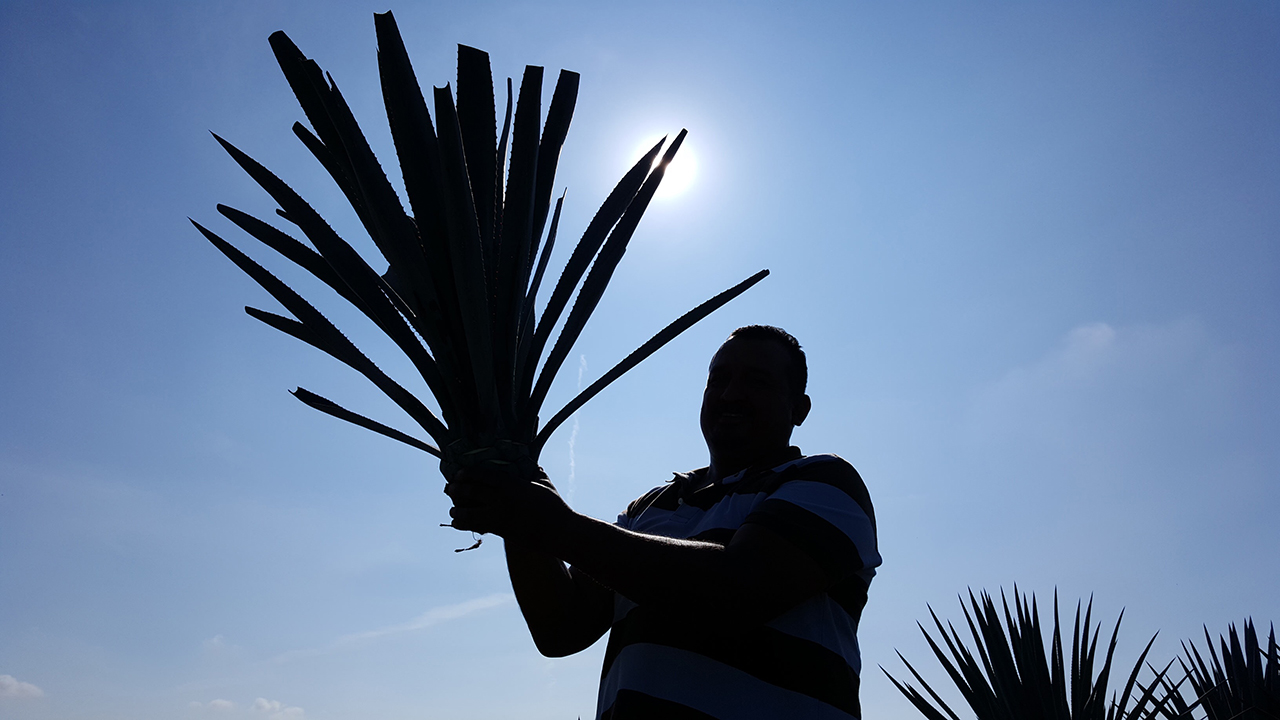
For centuries, agave spirits were closely tied to Mexico, where the plants, traditions, and regulations all developed together. That is no longer the case. Today, agave is being cultivated and distilled in multiple countries around the world, creating a fast-growing category often referred to as “international agave spirits.”
These spirits cannot legally be called tequila or mezcal, but they are clearly inspired by those traditions. What makes this category especially interesting is that it is still being defined in real time. Different regions are experimenting with agave species, production methods, and aging techniques, often blending tradition with modern innovation.
Where International Agave Spirits Come From
International agave spirits are currently being produced in several key regions, including:
-
United States (especially California and Texas)
-
Australia
-
South Africa
-
Japan
Each of these regions has different climates, soils, and regulatory environments, all of which influence how agave grows and how the final spirit tastes.
In many cases, producers are working with Blue Weber agave, but some are experimenting with other species that adapt well to local conditions.
How International Agave Spirits Are Made
Production methods vary widely depending on the producer. Some aim to replicate traditional Mexican techniques, while others take a more modern or experimental approach.
1. Cultivation and Harvesting
-
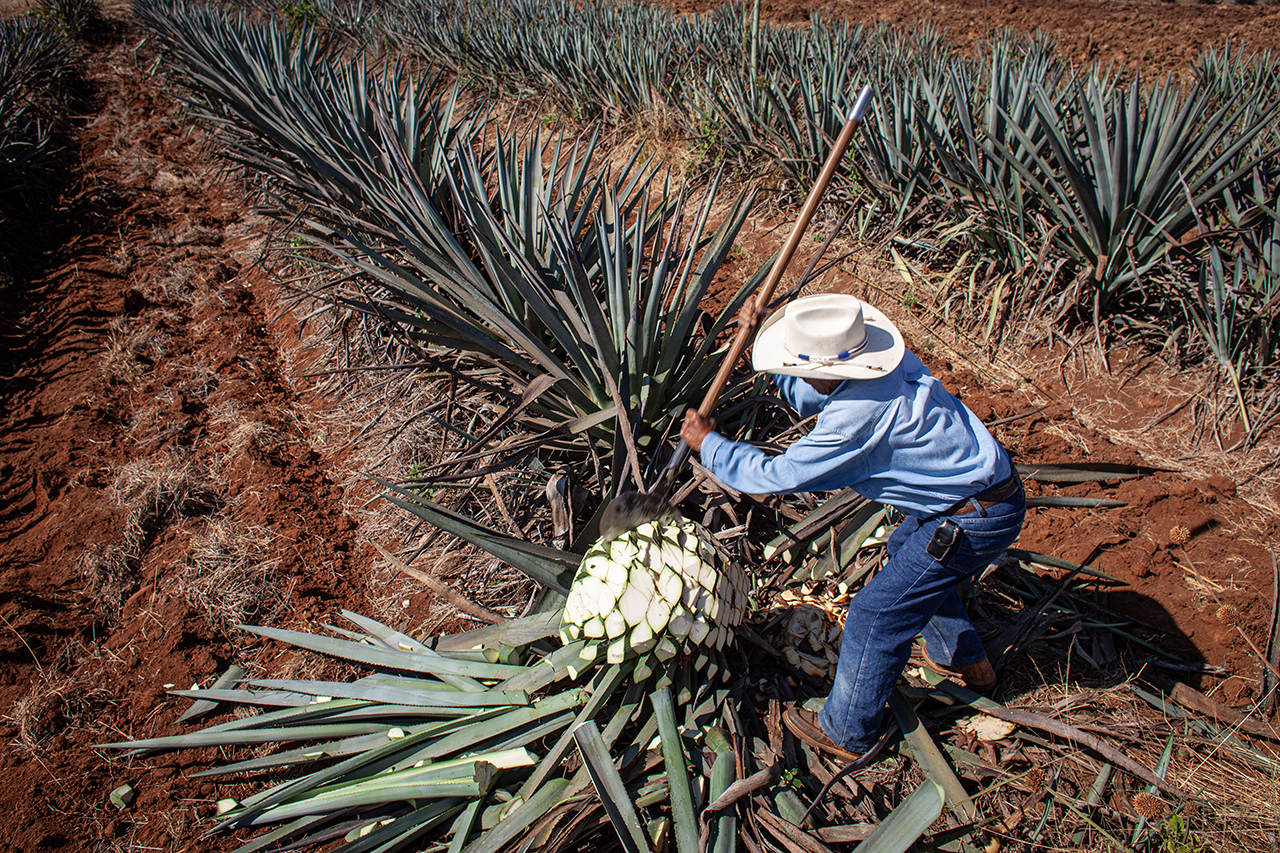
Agave is often cultivated rather than wild-harvested
-
Growth cycles can vary depending on climate, sometimes shorter or longer than in Mexico
-
Some regions are still learning how different agave species perform locally
2. Cooking the Agave
-
Methods range from traditional brick ovens to modern steam systems
-
Some producers experiment with pit roasting, though this is less common outside Mexico
-
Industrial-scale facilities may use more efficient, high-throughput systems
3. Extraction (Molienda)
-
Typically uses modern roller mills or shredders
-
Tahona use is rare but does exist among producers focused on traditional methods
4. Fermentation
-
Often conducted in controlled environments using commercial yeast
-
Some producers experiment with wild fermentation to mimic traditional profiles
-
Greater consistency is often a goal, especially in newer operations
5. Distillation
-
Usually done in modern copper or stainless steel stills
-
Some producers incorporate hybrid still designs
-
Precision and repeatability are often emphasized
6. Aging (Optional)
-
Many producers explore barrel aging, sometimes borrowing techniques from whiskey or wine
-
Barrel selection can vary widely depending on local industry influences
Regional Styles and Emerging Differences
Because this category is still developing, regional identities are just beginning to take shape.
United States (California and Texas):
-
Often focuses on innovation and hybrid techniques
-
Increasing use of industrialized processes for scalability
-
Some producers aim for tequila-like profiles, while others lean experimental
Australia:
-
Strong emphasis on agave cultivation and agriculture
-
Producers often highlight terroir and sustainability
-
Styles can range from clean and bright to more robust and earthy
South Africa:
-
Growing interest in locally adapted agave species
-
Production styles vary from traditional-inspired to modern
-
Still an emerging and relatively small category
Japan:
-
Known for precision and technical control
-
Some producers apply techniques from shochu production
-
Spirits can be very clean, refined, and structured
What International Agave Spirits Taste Like
Because there is no single tradition, flavor profiles can vary widely. However, some patterns are emerging.
Common aromas and flavors:
-
Cooked agave, citrus, and light sweetness
-
Herbal and vegetal notes
-
Pepper and spice
-
In some cases, very clean and polished profiles due to controlled production
-
Barrel-aged versions may show strong oak, vanilla, and caramel influence
Compared to many traditional Mexican spirits, international versions can sometimes feel more consistent and technically precise, though occasionally less rustic or wild.
Rules, Regulations, and Naming Challenges
This is one of the most important aspects of the category.
-
Tequila and mezcal are protected denominations of origin, so these names cannot be used outside Mexico
-
Producers must label their products as “agave spirit” or similar terms
-
There is no global regulatory framework for international agave spirits
This creates a few challenges:
-
Consumers may be unsure how to categorize or compare these products
-
Labeling can be inconsistent across countries
-
Producers must balance respect for tradition with building new identities
There is also ongoing discussion about how closely international producers should follow Mexican methods, and whether entirely new styles should be encouraged.
A Bit of History
Agave has been exported and planted outside Mexico for decades, often for ornamental or agricultural purposes. However, serious efforts to produce distilled agave spirits outside Mexico are relatively recent.
Over the past 10 to 20 years, interest has grown significantly, driven by:
-
The global popularity of tequila and mezcal
-
Advances in agave cultivation outside Mexico
-
Investment from entrepreneurs and spirits companies
This has led to the emergence of a new, global category that is still in its early stages.
Interesting Facts and Trivia
-
Agave plants can adapt to a wide range of climates, from deserts to coastal regions
-
Some international producers are planting large-scale agave fields, similar to vineyards
-
Certain regions may develop their own distinct agave terroir identities over time
-
Japan’s involvement has introduced technical precision and cross-category innovation
-
The category is evolving so quickly that styles today may look very different in a decade
Where to Learn More
If you want to explore international agave spirits further:
-
Visit producers in California, Texas, Australia, South Africa, or Japan
-
Compare international agave spirits side by side with tequila and mezcal
-
Follow new producers entering the category, as innovation is happening rapidly
-
Use tasting platforms to track how flavor profiles differ by region and method