Finding Balance: When Agave Meets Oak
What makes a great reposado? Two tequila producers take very different approaches to answering that question, but both arrive at the same destination.
What makes a great reposado tequila?
Is it the amount of time spent in a barrel? The type of oak? The color? The richness of the vanilla and caramel aromas?
Or is it something less obvious?
For us, the most interesting reposados are those where the barrel adds something without taking something away.
A good blanco tequila already has plenty to offer. Cooked agave, pepper, citrus, fruit, herbal notes, and the complex aromas created during fermentation and distillation.
Put that tequila into an oak barrel and a new collection of aromas and flavors begins to emerge. Vanilla, caramel, baking spices, wood tannins, and other compounds slowly become part of the spirit.
The challenge is deciding how much of that influence is enough.
Too little, and the barrel may contribute very little to the experience. Too much, and the tequila’s original personality can disappear beneath the wood.
The goal isn’t to replace agave with oak. It’s to make them work together.
And as it turns out, there are some very different ways to accomplish that.
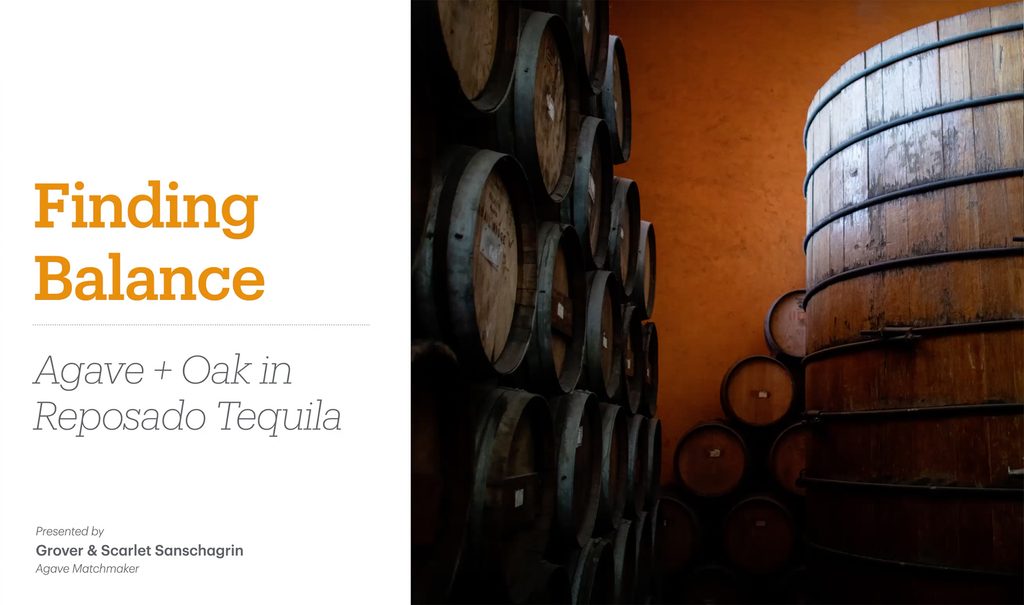
First, Let’s Clear Up a Common Misconception
Most tequila drinkers have heard that reposado is aged between two and eleven months.
It’s a convenient definition. It’s also incorrect.
Mexico’s official tequila standard, NOM-006-SCFI-2012, requires reposado to mature in direct contact with oak for at least two months.
But it doesn’t specify a maximum aging time.
That means a tequila can spend one year, two years, three years, or even longer in oak and still be classified as reposado.
The standard also places no maximum capacity on the oak vessels used for reposado maturation.
By comparison, añejo must mature for at least one year in oak containers with a maximum capacity of 600 liters. Extra añejo requires at least three years in containers of the same maximum size.
These are minimum requirements for the classifications, not a timeline that automatically moves tequila from one category to the next.
In fact, a tequila could satisfy the maturation requirements for extra añejo and still be classified as reposado.
Why does this matter?
Because it gives producers considerably more flexibility than many consumers realize. And that flexibility becomes especially interesting when we examine how different distilleries approach maturation.
The Pipón: A Different Way to Age Tequila
Most people picture tequila aging in relatively small wooden barrels, often previously used for bourbon.
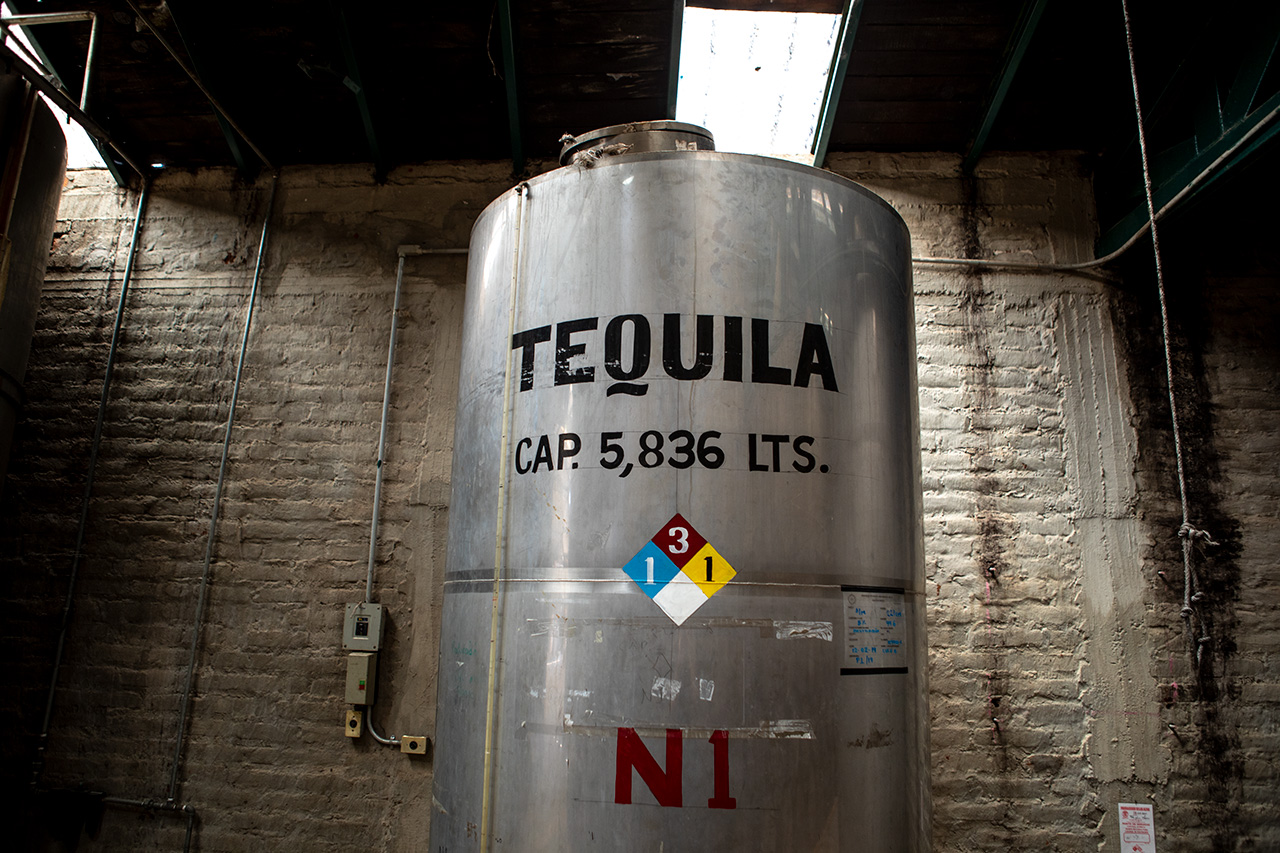
But some producers also use much larger wooden vessels called pipones.
These can hold substantially more tequila than a conventional barrel.
The difference is important because of a basic principle of maturation: the relationship between the volume of liquid and the surface area of wood.
In a small barrel, a relatively large proportion of the tequila is in contact with the wood. In a large pipón, there is much less wood surface area relative to the volume of liquid.
As a result, wood extraction generally happens more slowly.
The tequila can spend considerably more time in contact with oak without necessarily developing the same intensity of wood character that might appear in a smaller, more active barrel.
That makes the pipón a useful tool for producers who want extended maturation while maintaining a lighter oak influence.
And because reposado has no maximum aging time or vessel size, this approach fits within the classification.
But vessel size is only one variable. The more interesting question is how producers use these tools to create a particular aroma and flavor profile.
To explore that, let’s look at two very different reposados.
Method #1: Find the Moment
El Tesoro Reposado
El Tesoro Reposado is made at La Alteña distillery in the Highlands of Jalisco, where traditional production methods remain central to the tequila’s character.
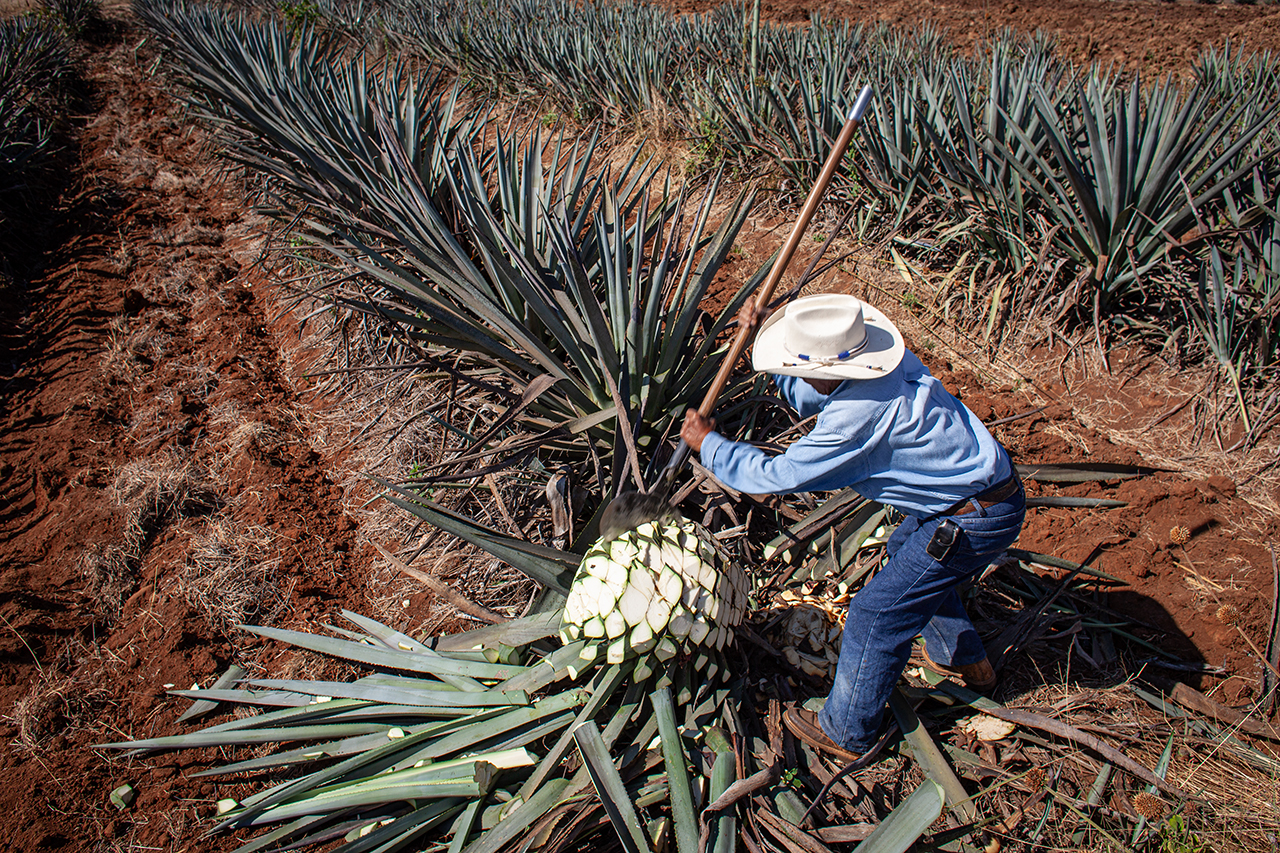
The agave is cooked in masonry ovens, crushed with a tahona, fermented in wooden tanks, and distilled in copper pot stills.
Its reposado spends time in previously used American whiskey barrels, including barrels sourced from Jim Beam.
But here’s where things get interesting.
El Tesoro doesn’t use a fixed aging period to determine when its reposado is ready.
According to Jenny Camarena, who oversees production at the distillery, the barrels arrive at different times and have different histories. Some are younger and more active. Others have been used more extensively.
That means they don’t all behave the same way.
A relatively active barrel may contribute the desired aroma and flavor profile in five or six months. A less active barrel might require eight or nine months.
The goal isn’t to hit a particular number of months.
It’s to reach a familiar sensory profile.
Jenny also explained that color isn’t the deciding factor. If a batch has the aroma and flavor characteristics they want, it doesn’t matter if the tequila is lighter in color than another batch.
This is an important distinction.
Many consumers associate darker tequila with greater maturity or quality. But color is only one consequence of barrel contact, and it doesn’t necessarily tell us how well the oak and agave are working together.
For El Tesoro, the decision is made by tasting.
A Barrel Doesn’t Last Forever
Every time a barrel is filled with tequila, some of its available wood compounds are extracted.
With repeated use, the barrel generally becomes less active.
The same barrel that once contributed noticeable vanilla and oak character relatively quickly may eventually require much longer to produce a similar result.
At some point, it may no longer be capable of producing the desired El Tesoro profile within a practical maturation period.
Jenny says those barrels can then be used for Tapatío, another tequila produced at La Alteña.
It’s a fascinating example of how the useful life of a barrel depends on the producer’s objectives.
A barrel that is no longer appropriate for one tequila may still be perfectly useful for another.
For El Tesoro, the philosophy is straightforward:
Taste the tequila, watch its development, and bottle it when the balance is right.
Method #2: Build the Moment
Don Fulano Reposado
Don Fulano Reposado takes a different approach.
Rather than relying primarily on finding the right moment for a particular maturation component, Don Fulano uses blending to construct its final aroma and flavor profile.
The tequila matures in previously used French oak wine casks and large oak pipones, with components spending different amounts of time in wood.
According to Sergio Mendoza, the brand’s owner and blender, the youngest component in Don Fulano Reposado is aged for six months.
But smaller portions of the blend can contain tequila that has spent up to three years in a pipón.
Yes, three years.
And the finished product is still a reposado.
This is a perfect example of why the commonly repeated two-to-eleven-month definition is misleading.
Different Ages, Different Contributions
Blending gives a producer another way to control the relationship between agave and oak.
A younger maturation component might contribute freshness, fruit, and a more pronounced agave character.
A component with more oak development might contribute vanilla, spice, or additional texture.
An older component may add depth, oxidative complexity, and mature aromas that aren’t present in the younger tequila.
These aren’t rigid rules. Barrel activity, vessel size, previous use, and storage conditions all influence the result.
But the principle is important.
Instead of asking one barrel to deliver every characteristic desired in the finished tequila, the blender can select components with different personalities and combine them.
A small amount of an older, more mature tequila can influence the final blend without allowing its wood character to dominate.
The balance is created through selection and blending, rather than maturation time alone.
Don Fulano Has Another Variable: Fermentation
There’s something else about Don Fulano that makes this comparison especially interesting.
Its production involves different fermentation approaches.
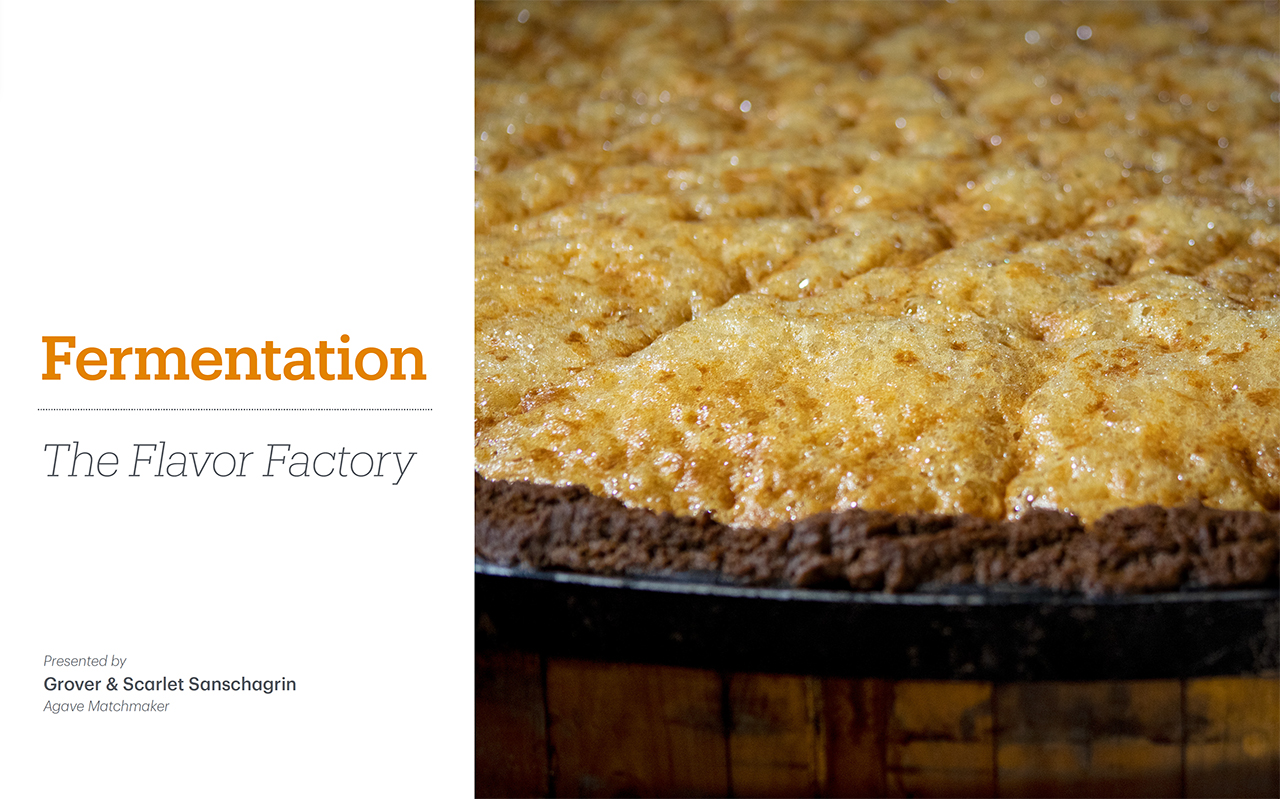
Some agave juice ferments in stainless steel tanks without fibers. Another portion is fermented with agave fibers present, using smaller fermentation vessels.
Why does that matter?
Because fermentation is responsible for much more than producing alcohol.
Yeast and other microorganisms create numerous compounds known as congeners, including higher alcohols, esters, organic acids, and other molecules that contribute to the aroma and flavor of tequila.
The fermentation environment influences which compounds are produced and in what concentrations.
Fermenting with agave fibers can also change the interaction between the liquid, plant material, and microorganisms.
The result is the potential for different fermentation-derived aroma and flavor profiles before the tequila ever enters a barrel.
Don Fulano can then combine these different distillate components and maturation profiles as part of its blending process.
Think about what that means.
The tequila has been fermented, distilled, matured in oak, and blended.
And yet, the character originating from those earlier production decisions can still be recognizable in the finished spirit.
That’s an important sign that the barrel hasn’t completely overwhelmed the tequila’s original personality.
If you can still taste how the tequila was made, the oak hasn’t erased it.
Two Different Reposados, One Interesting Result
El Tesoro and Don Fulano have noticeably different personalities.
El Tesoro’s traditional production process and American whiskey barrels produce one combination of aromas and flavors.
Don Fulano’s fermentation choices, French oak wine casks, pipón maturation, and blending produce another.
But when we look at the aroma and flavor data collected from Agave Matchmaker users, something interesting appears.
For both tequilas, cooked agave is the most frequently detected aroma and the most frequently detected flavor.
In El Tesoro Reposado, tasters frequently identify cooked agave, black pepper, oak, vanilla, citrus, and caramel.
In Don Fulano Reposado, cooked agave also leads, accompanied by vanilla, black pepper, oak, caramel, fruit, and cinnamon.
These are not identical sensory profiles. Far from it.
And the number of detections isn’t a direct measurement of compound concentrations or sensory intensity. It tells us which characteristics tasters report most frequently.
Still, the pattern is revealing.
Despite their different maturation strategies, neither tequila has lost its recognizable agave identity.
The wood contributes complexity, but the agave remains prominent.
Balance Doesn’t Mean 50/50
There’s another misconception worth addressing.
When we talk about balancing agave and oak, we don’t mean that both must contribute exactly half of the aroma or flavor.
Balance isn’t a mathematical formula.
A tequila can be strongly agave-forward, with just a little vanilla or spice from the barrel, and still feel beautifully balanced.
Another tequila might have more pronounced oak character, but enough agave freshness and fermentation complexity to keep everything working together.
The question isn’t whether agave and oak are equally intense.
It’s whether they complement each other.
Does the vanilla make the cooked agave seem sweeter or more rounded?
Does a little oak spice add complexity to the peppery character already present?
Does the barrel soften the sharper edges without making the tequila taste generic?
Or has the wood become so dominant that it’s difficult to identify much of anything that came from the agave itself?
That’s where personal preference enters the picture.
Some drinkers prefer an almost blanco-like reposado, with only the faintest suggestion of wood.
Others enjoy a more mature, oak-forward expression.
Neither preference is inherently wrong.
But there’s a meaningful difference between enjoying oak character and allowing oak to become the only character.
There Is No Magic Number
One of the most important lessons from these two producers is that there is no universal aging formula for great reposado.
Five months might be enough in one barrel.
Nine months might be necessary in another.
A small amount of three-year-old pipón-aged tequila might be exactly what a blend needs.
And another producer might arrive at a completely different result using different wood, different fermentation methods, and different maturation conditions.
The calendar alone cannot tell us when a tequila has reached its ideal balance.
Neither can the color.
What matters is the aroma and flavor profile of the finished product.
El Tesoro and Don Fulano demonstrate two distinct approaches to achieving that goal.
El Tesoro finds the moment.
Through tasting, observation, and adjusting maturation time, the distillery waits until the tequila reaches the profile it wants.
Don Fulano builds the moment.
Through multiple fermentation profiles, maturation components, and blending, the producer constructs the desired balance.
Different methods. Different tequilas.
But a shared objective: allowing the oak to contribute something valuable without hiding the character of the agave.
And that brings us back to the original question.
What makes a great reposado?
Perhaps the answer isn’t how long it spent in a barrel, how dark it became, or how much vanilla we can smell.
Great reposado isn’t about how much oak you can taste.
It’s about what the oak does to the agave.