Sotol: The Desert Spirit That Isn’t Agave
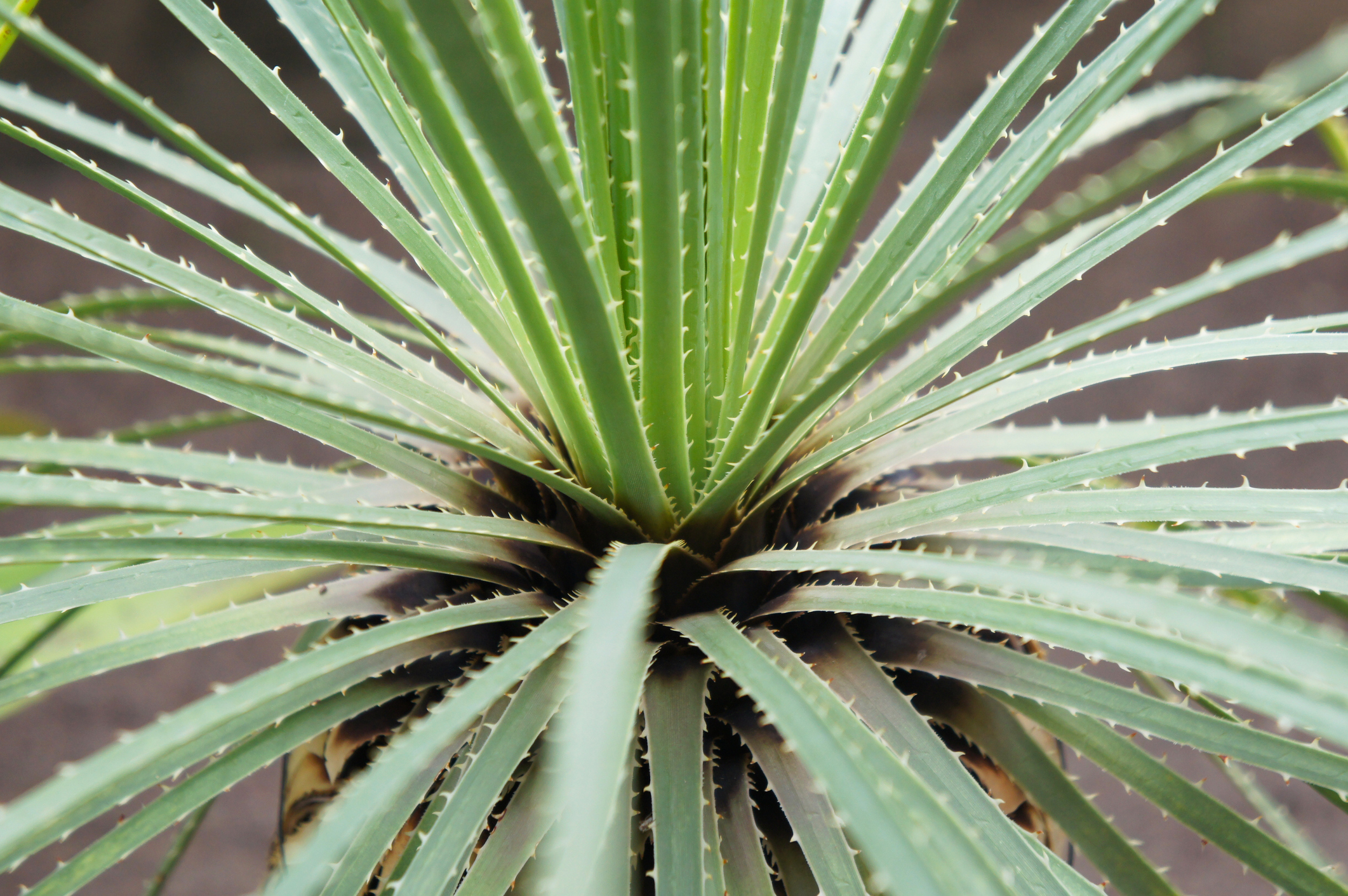
Sotol is often grouped in with agave spirits, but technically it comes from a completely different plant. Instead of agave, sotol is made from Dasylirion, sometimes called desert spoon. These plants grow wild across northern Mexico and into the southwestern United States, especially Texas. The result is a spirit that shares some similarities with mezcal, but has its own identity shaped by desert conditions, wild harvesting, and a growing cross-border debate about who gets to define it.
Where Sotol Comes From
Traditionally, sotol is associated with northern Mexico, particularly the state of Chihuahua, along with Durango and Coahuila. These regions have a denomination of origin for sotol in Mexico.
However, Dasylirion plants also grow naturally in Texas, New Mexico, and other parts of the southwestern United States, and this is where things get complicated. Producers in Texas have begun making sotol as well, but these products cannot legally use the same denomination recognized in Mexico.
This has created an ongoing debate about authenticity, naming rights, and whether sotol should be considered a shared regional spirit or a protected national category.
How Sotol Is Made
Sotol production shares some similarities with mezcal, but the raw material and environment lead to different results.
1. Harvesting
Dasylirion plants are typically wild harvested, not farmed. They grow in harsh desert environments and can take 10 to 15 years to mature.
2. Cooking the Plant
-
Traditionally cooked in underground pit ovens, similar to mezcal
-
Some modern producers use above-ground ovens or steam methods
-
Cooking develops sugars and contributes roasted flavors
3. Crushing (Molienda)
-
Usually done with mechanical shredders or simple mills
-
The fibrous nature of the plant can make processing more difficult than agave
4. Fermentation
-
Often takes place in open-air tanks
-
Frequently relies on wild yeast
-
Desert temperatures can lead to fast and sometimes unpredictable fermentations
5. Distillation
-
Typically distilled in copper pot stills
-
Some producers use hybrid or modern equipment, especially in the United States
Sotol Styles and Variations
Sotol does not have as many formal style categories as tequila, but variation comes from geography and production choices.
-
Most sotol is bottled unaged (joven)
-
Some producers experiment with barrel aging, especially in the United States
-
Regional differences can produce noticeable variation in flavor
There is also a growing stylistic divide between traditional Mexican sotol and modern, often more polished U.S. versions.
What Sotol Tastes Like
Sotol is often described as earthy and herbal, with a profile that reflects its desert origin.
Common aromas and flavors:
-
Grassy, herbal, and green notes
-
Earthy and mineral characteristics
-
Peppery spice and dryness
-
Subtle smoke when pit-roasted
-
Sometimes a slightly oily or waxy texture
Compared to agave spirits, sotol can feel more savory and less sweet, with a distinctive dryness.
Rules, Regulations, and Controversy
This is where sotol becomes especially interesting.
-
Mexico has a denomination of origin for sotol covering Chihuahua, Durango, and Coahuila
-
This designation does not apply internationally, including in the United States
-
Producers in Texas and elsewhere can legally make and label sotol from Dasylirion plants
This has led to a few key points of tension:
-
Mexican producers argue that sotol is a cultural product that should be protected like tequila or mezcal
-
U.S. producers argue that the plant is native to their land as well, and they have the right to produce it
-
There is currently no global enforcement of the Mexican denomination outside Mexico
At the same time, production methods are diverging:
-
Traditional Mexican sotol is often small-scale and rustic
-
Some U.S. producers are moving toward industrialized processes, including controlled fermentation, modern stills, and more consistent large-batch production
This raises questions about how the category will evolve and whether it will split into distinct identities over time.
A Bit of History
Sotol has been produced for centuries by indigenous communities in northern Mexico. Like bacanora, it also faced periods of prohibition and was often made in secret in remote desert regions.
Because Dasylirion grows wild and was not widely cultivated, sotol remained a regional spirit for most of its history. Only recently has it begun to gain broader recognition, both within Mexico and internationally.
Interesting Facts and Trivia
-
Sotol is not made from agave, even though it is often grouped with agave spirits
-
Dasylirion plants can survive extreme desert conditions with very little water
-
Wild harvesting means each batch can reflect a slightly different environment
-
Texas has become a growing center for sotol production in the United States
-
The category is currently at the center of a cross-border identity debate
Where to Learn More
If you want to explore sotol further:
-
Visit Chihuahua and surrounding regions to experience traditional production
-
Explore Texas-based producers to compare styles and approaches
-
Attend tastings that include both Mexican and U.S. sotol side by side
-
Follow discussions around regulation and identity as the category evolves