Bacanora: Sonora’s Desert-Born Spirit
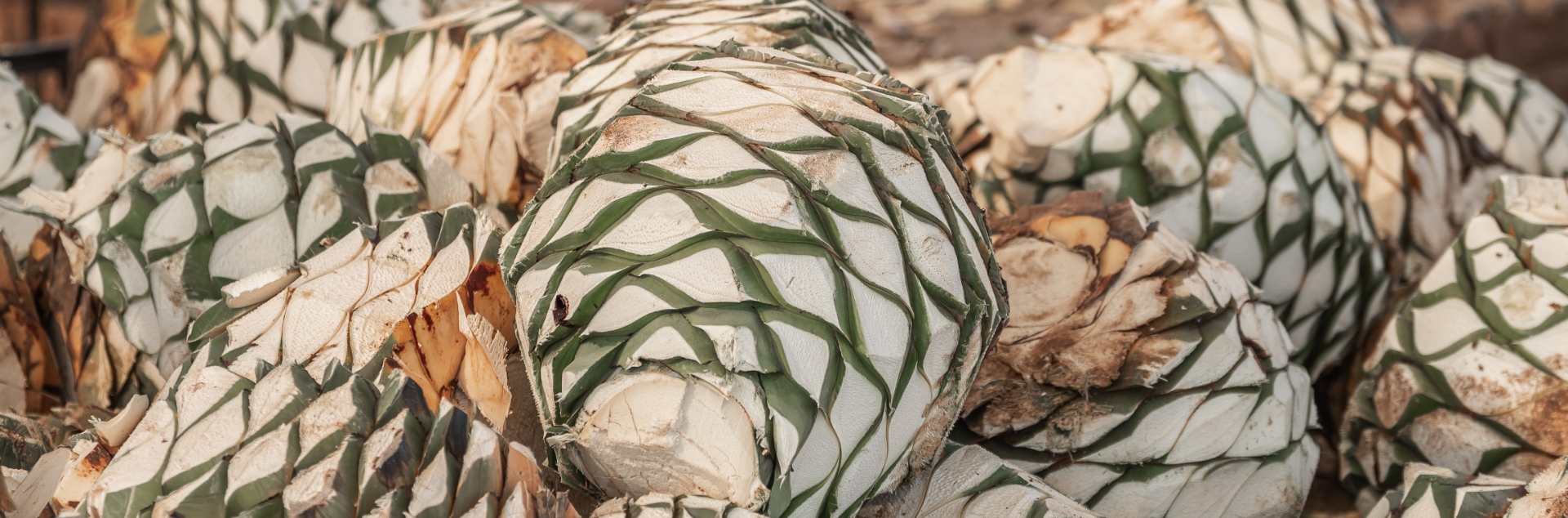
Photo: Sunora Bacanora
Bacanora is one of the lesser-known agave spirits, but it carries a deep and resilient history. Produced in the rugged landscapes of northern Mexico, bacanora reflects the desert environment it comes from. It is often compared to mezcal, but it has its own identity shaped by a single agave species, a distinct region, and a past that includes decades of prohibition.
Today, bacanora is slowly gaining attention beyond its home state, offering a style that feels both rustic and refined at the same time.
Where Bacanora Comes From
Bacanora is produced in the state of Sonora, Mexico, with its denomination of origin covering 35 municipalities. This region is characterized by dry, mountainous terrain and extreme temperature swings between day and night.
The agave used is primarily Agave angustifolia, sometimes referred to locally as Pacific agave. While this species is also used in mezcal production, the environment in Sonora gives bacanora its own distinct character.
How Bacanora Is Made
Bacanora production shares similarities with mezcal, but regional practices and conditions create noticeable differences.
1. Harvesting (Jimado)
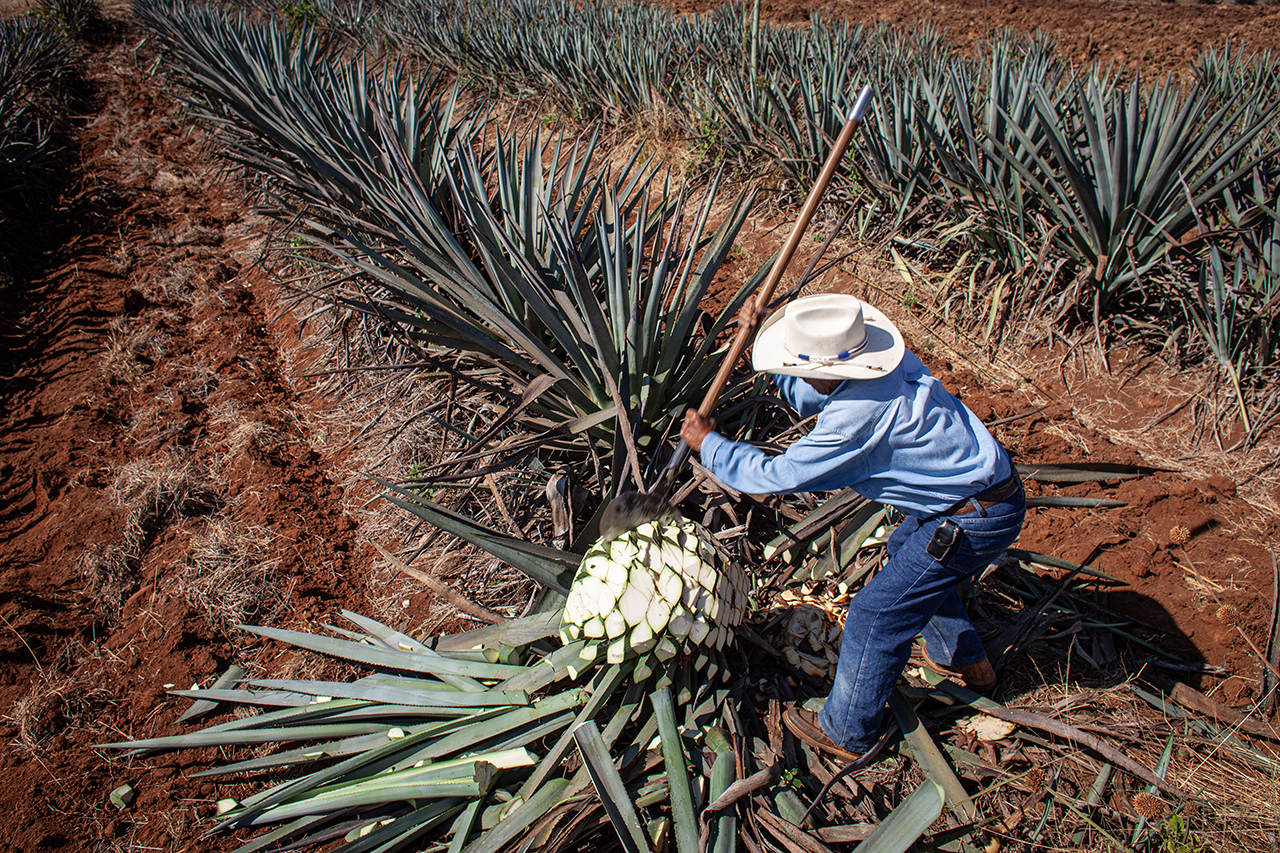
Agaves are often harvested from wild or semi-wild populations, growing in rocky desert soils. Maturity typically takes around 6 to 10 years.
2. Cooking the Agave
Cooking is usually done using traditional methods:
-
Agave piñas are roasted in underground pit ovens
-
Covered with earth and cooked over several days
-
This process develops roasted and lightly smoky flavors
3. Crushing (Molienda)
-
Often done using mechanical shredders or simple mills
-
Tahonas are less common compared to other agave spirits
4. Fermentation
-
Typically takes place in open-air tanks or vats
-
Often relies on wild yeast
-
The hot, dry climate can speed up fermentation compared to cooler regions
5. Distillation
-
Usually distilled twice in small copper pot stills
-
Some producers use rustic equipment adapted to local conditions
Bacanora Styles and Variations
Bacanora does not have as many formal subcategories as tequila or mezcal, but variation still exists based on producer and location.
-
Most bacanora is bottled unaged (joven)
-
Some producers experiment with resting or aging, though this is less common
-
Differences in altitude, water source, and fermentation practices can influence flavor
Because the category is smaller, each producer’s approach can have a noticeable impact on the final spirit.
What Bacanora Tastes Like
Bacanora tends to reflect its desert origins, often showing a balance between earthiness and brightness.
Common aromas and flavors:
-
Cooked agave with light caramelized notes
-
Earthy, mineral, and sometimes dusty characteristics
-
Subtle smoke, usually less intense than many mezcals
-
Herbal and slightly peppery tones
-
Occasional citrus or green notes
Compared to mezcal, bacanora is often described as cleaner and less smoky, though still rooted in traditional production.
Rules and Regulations
Bacanora is protected under a denomination of origin, though it remains a relatively small category.
-
Must be produced in designated municipalities in Sonora
-
Made primarily from Agave angustifolia
-
Production methods generally follow traditional practices
-
Bottled typically around 38% to 45% ABV
As the category grows, there is increasing attention on quality standards and traceability.
A Bit of History
Bacanora has one of the most dramatic histories of any agave spirit.
In 1915, production was banned by the Sonoran government, and bacanora remained illegal for more than 70 years. Despite this, producers continued making it in secret, often in remote mountain areas to avoid authorities.
It was finally legalized again in 1992, and later received its denomination of origin. This long period of prohibition helped preserve traditional methods but also limited its development and visibility.
Interesting Facts and Trivia
-
Bacanora was illegal for most of the 20th century, leading to a strong underground production culture
-
Some producers still operate in remote areas where bacanora was historically made in secret
-
The desert environment contributes to unique flavor characteristics not found in other regions
-
It shares an agave species with some mezcal, but tastes noticeably different due to terroir
-
Production volumes remain relatively small compared to tequila and mezcal
Where to Learn More
If you want to explore bacanora further:
-
Visit Sonora, especially rural areas where traditional producers operate
-
Look for tastings that include bacanora alongside mezcal to compare styles
-
Seek out producers that emphasize traditional methods and local sourcing